Modern Countryside Solid Wood Sofa Buying Guide
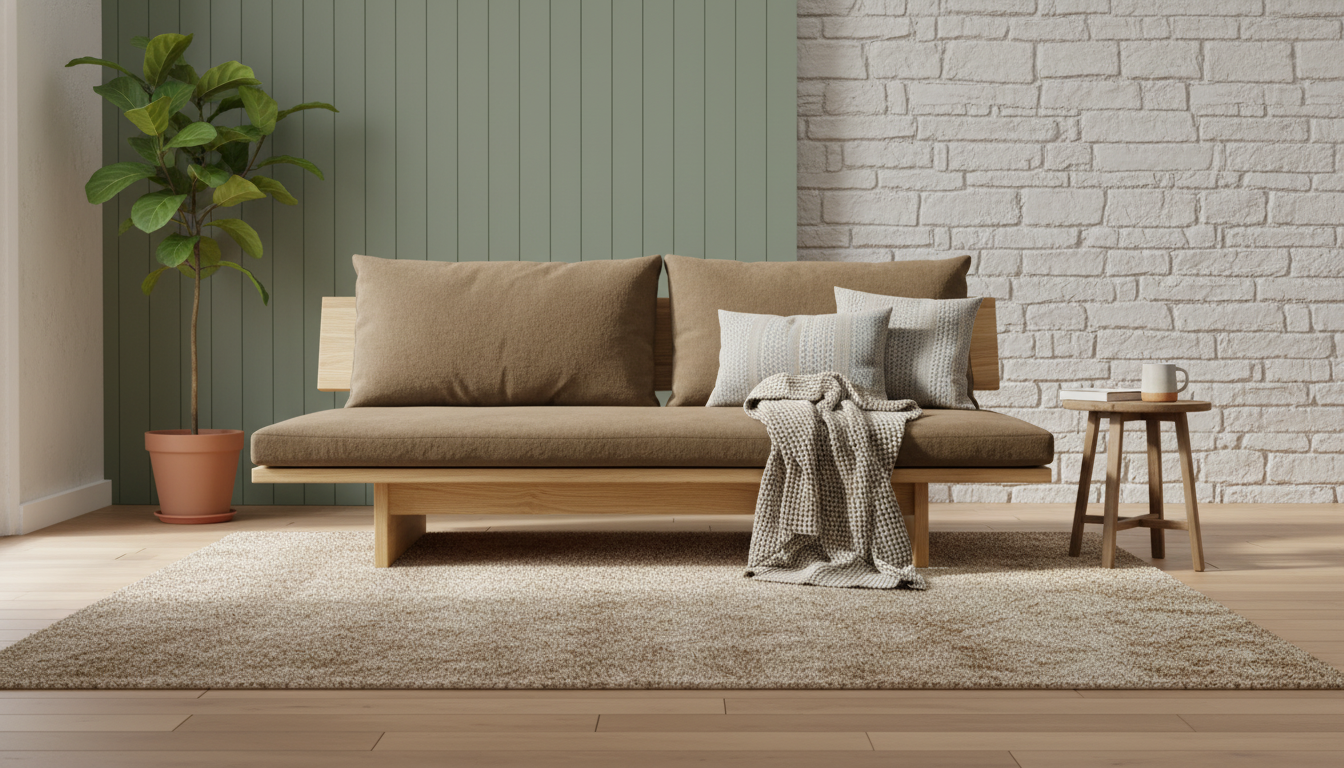
Modern Countryside Solid Wood Sofa: Warm Wood, Clean Lines, Everyday Comfort
A modern countryside sofa balances relaxed, homey character with a streamlined silhouette. Solid wood brings natural grain, sturdiness, and long-term appeal, while thoughtful proportions and upholstery choices keep the look fresh rather than rustic. Use the guide below to judge materials, comfort, fit, and care before placing a solid wood sofa at the center of a living space.
What defines modern countryside style in a sofa
Modern countryside style leans on natural materials and calm shapes, then edits away anything fussy. The result feels welcoming without looking dated.
- A calm, grounded look: natural wood tones paired with simple geometry and uncluttered details.
- Mix of refined and cozy: tailored upholstery with soft edges, avoiding heavy ornamentation.
- Visible craftsmanship: wood frame elements and joinery (or well-finished trim) that look intentional, not exposed as an afterthought.
- Palette flexibility: works with whites, oatmeal, sage, charcoal, and muted blues; wood tones can be light, medium, or deep depending on the room.
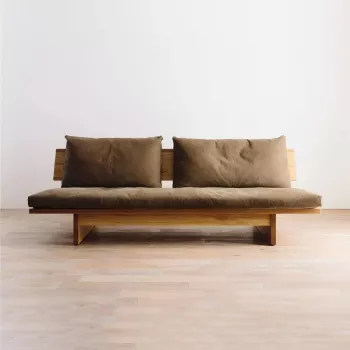
If you’re shopping for a centerpiece that fits this blend, the Modern Countryside Solid Wood Sofa is designed to deliver that “warm wood + clean lines” balance that suits both casual family rooms and more polished living spaces.
Materials that matter: solid wood frame, finish, and upholstery
Comfort is important, but materials determine how a sofa holds up to years of everyday sitting. With wood-forward designs, pay attention to what’s structural, how it’s sealed, and how the upholstery will look after real life happens.
- Solid wood frame benefits: strong structural performance, stable seating support, and a surface that can be maintained over time (minor scratches can often be minimized).
- What to confirm about “solid wood”: identify which components are solid wood (primary frame, legs, rails) versus secondary panels; the best value typically prioritizes solid wood in load-bearing parts.
- Finish and durability: look for a sealed finish that resists everyday moisture rings and smudges; a smoother, evenly applied coating is easier to wipe down.
- Upholstery considerations: woven fabrics hide wear better than very smooth fabrics; lighter shades feel airy but may require more frequent spot cleaning.
- Cushion fill basics: denser foam tends to hold shape longer; softer fills feel plush but can need more fluffing and rotation.
Quick checklist for evaluating a solid wood sofa
| Feature | What to look for | Why it matters |
|---|---|---|
| Frame & rails | Solid wood in key load-bearing parts; tight, even joints | Stability, reduced creaks, better long-term support |
| Legs & feet | Solid wood legs with secure attachment; level contact with floor | Prevents wobble and protects the frame from racking |
| Wood finish | Even sheen; sealed surface; no rough patches along edges | Easier cleaning and better resistance to daily wear |
| Cushion support | Consistent feel across seats; no obvious sag when pressed | Comfort over time and less need for early replacements |
| Upholstery | Tight stitching; reinforced seams on stress points | Reduces fraying and seam splitting in high-use seating |
For those who prioritize material transparency and indoor comfort, it can also help to understand broader guidance on indoor pollutants and materials used in home products. The EPA’s overview of Indoor Air Quality (IAQ) is a useful reference point when furnishing frequently used rooms.
Comfort and seating experience
A sofa can look perfect and still feel “off” if the seat depth, height, and back support don’t match how your household actually relaxes. Consider who sits most often and what “comfortable” means in daily routines.
Sizing and layout: making the sofa fit the room
Styling ideas for a modern countryside living room
If your goal is a home that feels cohesive beyond the living room, small lifestyle additions can help reinforce a calm, organized atmosphere—like a printable routine tool such as the Eco-Friendly Laundry Day Checklist for keeping household rhythms simple and consistent.
Care and maintenance: keeping wood and upholstery looking fresh
When evaluating wood sourcing and longevity, it may be helpful to read how responsible forestry certification works through the Forest Stewardship Council (FSC).
Is a solid wood sofa the right choice for daily use
For another home-upgrade category where careful material standards matter, the California Air Resources Board (CARB) provides background on composite wood products and formaldehyde standards, which can be useful context when comparing furniture materials across a room.
Featured in-stock picks
- Modern Countryside Solid Wood Sofa — a warm, wood-forward anchor for clean, relaxed living rooms.
- Eco-Friendly Laundry Day Checklist | Sustainable Living Guide (Printable) — a simple digital tool to keep home routines organized.
- Propane Tankless Water Heater, 7.4 GPM, Indoor Use — a practical option for households planning comfort upgrades beyond furnishings.
FAQ
Does “solid wood” mean every part of the sofa is solid wood?
No—“solid wood” often refers to the primary structural frame and/or legs. Some non-structural panels may use other materials, so it’s smart to confirm which load-bearing parts are solid wood.
How should a solid wood sofa be cleaned without damaging the finish?
Dust with a soft, dry cloth and use a lightly damp cloth only when needed, then dry promptly. Clean spills right away and avoid harsh chemicals; coasters or trays help keep moisture and heat off wood surfaces.
What’s the best way to prevent seat cushions from sagging over time?
Rotate cushions when possible, fluff them regularly, and try not to sit in the exact same spot every day. Supportive cushion construction also matters, so consistency in feel across seats is a good sign at purchase time.














Leave a comment