App-Controlled Self-Cleaning Cat Litter Box Guide
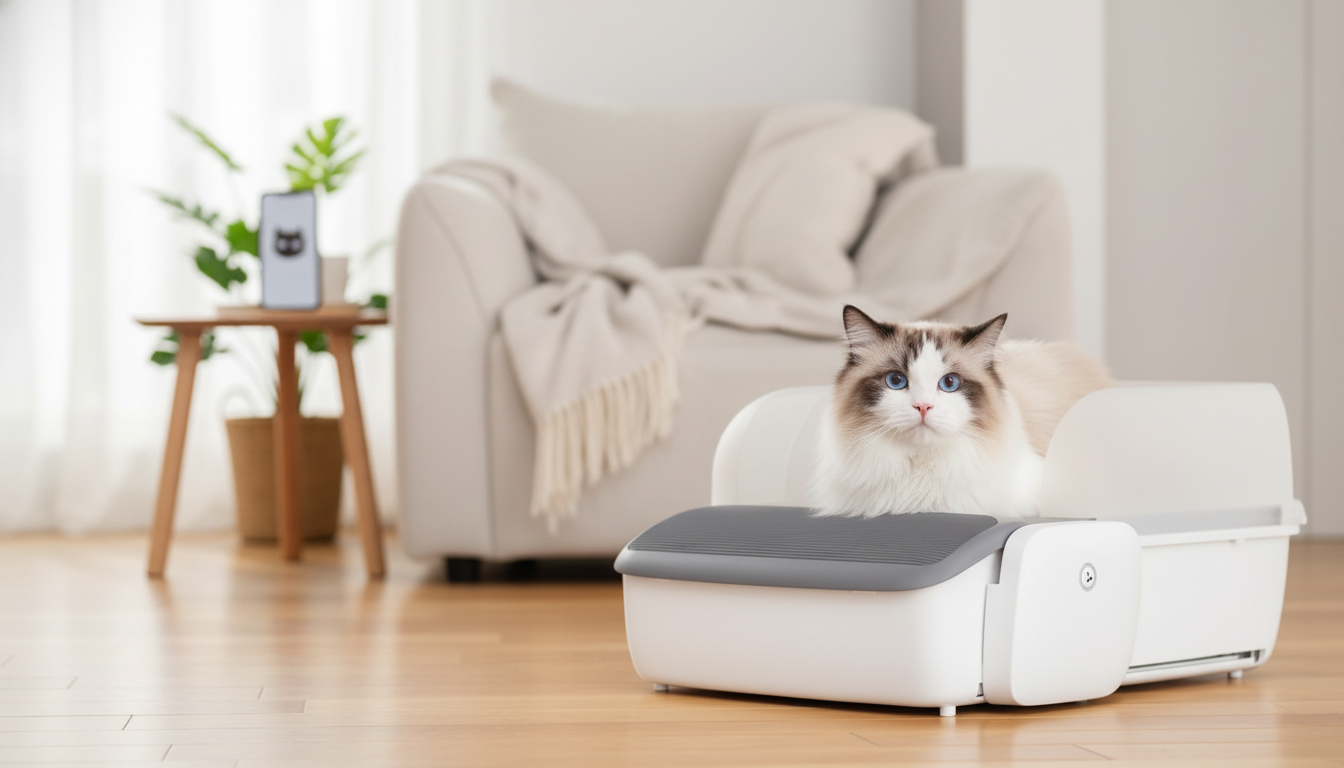
Smart Automatic Self-Cleaning Cat Litter Box with App Control: Cleaner Floors, Happier Cats, Less Daily Scooping
A self-cleaning litter box can reduce odors, keep litter fresher between deep cleans, and help spot routine changes by tracking usage. App-connected models add an extra layer of convenience with alerts and cycle controls, so you’re not guessing when it’s time to empty the waste drawer. Below is what typically changes after the switch, which features matter most, and how to set things up so your cat accepts the new routine without stress.
What changes when the litter box cleans itself
Automatic cleaning can feel like a quality-of-life upgrade for both people and cats—especially in smaller homes where odor and tracking show up fast.
- Less manual scooping: Waste is moved to a sealed compartment after each use or on a schedule, reducing the daily chore to quick bin emptying and occasional wipe-downs.
- More consistent litter surface: Many cats prefer a freshly raked bed. Removing clumps quickly can also help keep the surface drier and reduce litter tracking on paws.
- Odor control becomes more predictable: Sealing waste limits ammonia buildup—an advantage for apartments, laundry rooms, or anywhere ventilation is limited.
- Routine visibility: App logs can highlight changes in bathroom frequency. Sudden changes can be a helpful nudge to look closer at hydration, stress, or diet (and to talk with a veterinarian when needed).
For general cat care and home comfort guidance, authoritative resources like the American Veterinary Medical Association (AVMA) and the Cornell Feline Health Center offer practical, cat-centered recommendations.
Key features that matter most in an app-connected automatic box
Not all self-cleaning boxes behave the same. The best experience usually comes from choosing a unit that prioritizes safety, reliable cycling, and easy waste handling.
- Safety sensors: Look for weight/occupancy detection and designs that prevent cycling while a cat is inside or lingering near the opening.
- Cleaning modes: Automatic after-use cycles, scheduled cleaning, and manual start/stop options (on the unit and in the app) give flexibility.
- Waste containment: A covered bin or drawer with liners is ideal. Tight seals help keep odors contained, and easy access makes disposal fast.
- Odor reduction options: Deodorizing filters or packs (if supported), an enclosed waste area, and smooth interiors that wipe clean help a lot over time.
- App controls: Useful apps provide notifications for a full bin, cycle status, and usage tracking—plus stable Wi‑Fi/Bluetooth pairing and a simple interface.
- Noise and vibration: Quieter motors and gentler motion help skittish cats adapt faster, especially if the box is near a bedroom or office.
- Litter compatibility: Most units perform best with clumping litter. Always confirm what the sifting mechanism can handle to prevent smearing or jams.
| Feature | What to look for | Why it matters |
|---|---|---|
| Safety sensing | Occupancy + motion/weight sensors | Prevents cleaning while a cat is inside |
| Waste bin design | Sealed, easy-to-remove drawer/bin | Reduces odor and makes disposal faster |
| App functions | Cycle control + alerts + usage logs | Convenience and pattern awareness |
| Cleaning schedule | After-use delay + scheduled runs | Balances cleanliness with cat comfort |
| Maintenance access | Smooth surfaces, removable parts | Faster weekly wipe-downs |
Daily setup that prevents most problems
Many “automatic litter box issues” come down to placement, timing, or overfilling. A few small setup decisions can prevent clumps from smearing and help the unit run smoothly.
Helping cats adjust without stress
Most cats adapt quickly when the new box is introduced like any other household change: slowly, predictably, and without forcing. Cat-friendly home guidance from the American Association of Feline Practitioners (AAFP) emphasizes minimizing stressors and preserving safe, accessible resources—litter boxes included.
Maintenance: the small habits that keep it working for years
A closer look at the Smart Automatic Self-Cleaning Cat Litter Box with App Control
The Smart Automatic Self-Cleaning Cat Litter Box with App Control is designed to reduce day-to-day scooping by automating waste separation and collection. Instead of manually checking the box multiple times a day, the app helps you stay ahead of maintenance with status visibility and alerts—useful when you’re at work, traveling overnight, or managing a busy household schedule.
If you’re also building a cleaner routine around the house, consider pairing automated pet care with simple habit tools like the Eco-Friendly Laundry Day Checklist (Printable) to keep weekly cleaning tasks organized alongside litter box upkeep.
FAQ
Is an automatic self-cleaning litter box safe for cats?
Most modern automatic boxes use safety systems like occupancy/weight sensors, delayed cycles, and anti-pinch designs to reduce risk. Keep sensors clean so they can detect a cat reliably, and supervise the first few days to confirm your cat isn’t trying to enter during a cycle.
What litter works best with a self-cleaning box?
Clumping litter is usually the best match because it forms firm clumps that sift cleanly without smearing. Low-dust clumping options can also reduce buildup on sensors and moving parts; always follow the device’s litter-type guidance to avoid jams or poor separation.
How long does it take a cat to get used to a self-cleaning litter box?
Many cats adjust in a few days, but it can take a couple of weeks for cautious, skittish, or senior cats. A gradual introduction—powered off at first, adding a small amount of familiar litter, and running cycles when cats are elsewhere—typically speeds up acceptance.














Leave a comment