180W Cordless Vacuum: 1L Dust Cup for Fast Cleanups
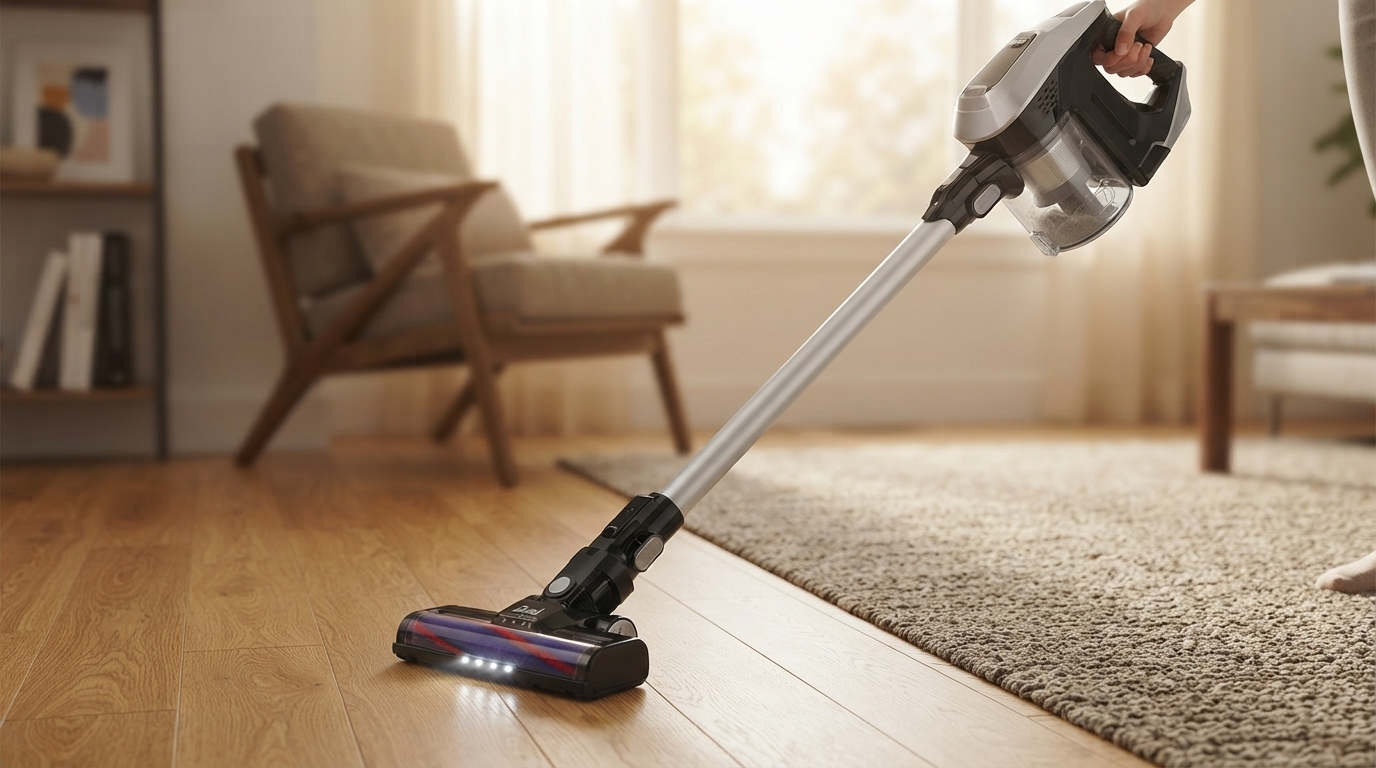
180W Cordless Vacuum Cleaner with 1L Dust Cup: Quick Cleanup Power for Everyday Messes
A cordless vacuum with a roomy dust cup can make daily cleaning faster—especially for crumbs, pet hair, and high-traffic floors. A 180W cordless vacuum paired with a 1L dust cup is designed for quick, frequent passes that keep your home looking consistently tidy without dragging out a full-size machine. Below is what that capacity and power level typically mean in real home routines, what affects suction and runtime, and what to check before buying.
What a 1L Dust Cup Changes in Daily Cleaning
A bigger dust cup doesn’t automatically mean better cleaning, but it can mean fewer interruptions—particularly in homes with pets, kids, or busy entryways. A 1L cup is often a practical “middle ground”: large enough for multiple zones, still compact enough for cordless convenience.
- Fewer trips to the trash: a larger cup can handle multiple rooms before emptying, depending on debris type.
- Better for visible messes: larger particles (cereal, litter, tracked-in grit) fill bins quickly, so capacity matters.
- More consistent suction between emptying: a fuller cup can restrict airflow on many vacuums; routine emptying still helps performance.
- Useful for pet households: hair and dander tend to “fluff up” and occupy space faster than fine dust.
| Cleaning scenario | How fast a 1L cup may fill | Helpful habit |
|---|---|---|
| Kitchen crumbs + tracked-in grit | Moderate | Empty after kitchen + entryway pass |
| Pet hair on rugs | Fast | Quick pre-check and empty mid-session if needed |
| Hard floors with fine dust | Slow to moderate | Empty at the end; tap filter lightly if allowed |
| Car interior (mats, seats) | Moderate to fast | Empty before starting to avoid clogs |
180W Cordless Vacuum Performance: What It’s Good At
Motor wattage is only one piece of performance, but at 180W, the practical expectation is “everyday pickup” rather than a replacement for deep carpet extraction. This is the kind of vacuum that shines when you use it often.
- Spot cleaning and daily maintenance: ideal for routine passes rather than deep-cleaning neglected carpets.
- Hard floors and low-pile rugs: works well for dust, crumbs, and hair when airflow stays clear.
- Stairs and tight spaces: cordless handling helps where outlets and cords become a hassle.
- Quick cleanups after cooking or crafts: grab-and-go convenience encourages more frequent cleaning.
For best results, focus on short routes (kitchen to entryway, couch area, pet feeding zone) and keep the bin and filters from loading up. Airflow is the “hidden” factor that often makes a vacuum feel stronger or weaker from one day to the next.
Battery, Runtime, and Charging: Practical Expectations
Runtime varies by power mode and floor type. Higher suction drains faster, while hard floors often need less power than carpet. Instead of aiming for marathon cleaning sessions, cordless models are usually most satisfying when they support frequent, quick resets.
- Runtime depends on power mode and floor type: boost modes are great for concentrated messes but use battery faster.
- Short, frequent sessions can be the sweet spot: daily 5–10 minute cleanups can cover key areas without worrying about full-house runtime.
- Charging routine matters: keeping it charged where it’s used (closet, utility area) makes it easier to maintain habits.
- Performance can drop as the bin and filters load: emptying and basic filter care often restores airflow.
If indoor air quality is a priority, it’s also worth paying attention to filtration maintenance. The EPA’s guidance on air cleaners and the American Lung Association’s overview of indoor dust both highlight how fine particles can circulate indoors—making routine cleaning and filter upkeep more meaningful than many people realize.
Dust Cup and Filter Care That Keeps Suction Strong
Many “loss of suction” complaints come down to restricted airflow—often from packed debris, clogged filters, or hair clumps in the intake path. A few fast habits can keep a cordless vacuum feeling consistent.
Where This Cordless Vacuum Fits Best at Home
If you like the idea of keeping “micro-zones” cleaner (entry drop zone, snack area, craft corner), a simple home zoning plan can make it easier to store tools where you actually use them. For a layout-focused option, consider From Open Rooms to Intentional Zones Bundle – 10-in-1 Guide for Multi-Functional Living Spaces as a companion for organizing storage and routines.
Key Specs to Compare Before Buying
| Feature | Why it matters | What to look for |
|---|---|---|
| 1L dust cup | Less frequent emptying | One-touch or mess-minimizing dump mechanism |
| Filter access | Maintains suction and air quality | Simple removal, clear cleaning instructions |
| Floor head design | Pickup performance | Good edge reach and debris channeling |
| Attachments | Versatility | Crevice + brush for corners and upholstery |
Product Snapshot: 180W Cordless Vacuum Cleaner with 1L Dust Cup
Shop here: 180W Cordless Vacuum Cleaner with 1L Dust Cup (In stock, $53.97)
FAQ
How often should a 1L dust cup be emptied?
Empty it after each session or when debris reaches the fill line. Pet hair and bulky crumbs can require mid-clean emptying to keep airflow and suction strong.
Why does suction drop even when the dust cup isn’t full?
Common causes include clogged filters, hair clumps in the intake path, poor cup sealing, or packed debris blocking airflow. Checking the bin, filter seating, and intake pathway typically restores performance when cleaned per the manual.
Is a cordless vacuum with a dust cup good for pet hair?
It can be effective for daily pet hair pickup, especially on hard floors and low-pile rugs. Frequent emptying and basic filter maintenance help prevent clogs and keep suction consistent.











Leave a comment