Manual Pole Saw Name: Pole Pruner vs Pole Saw
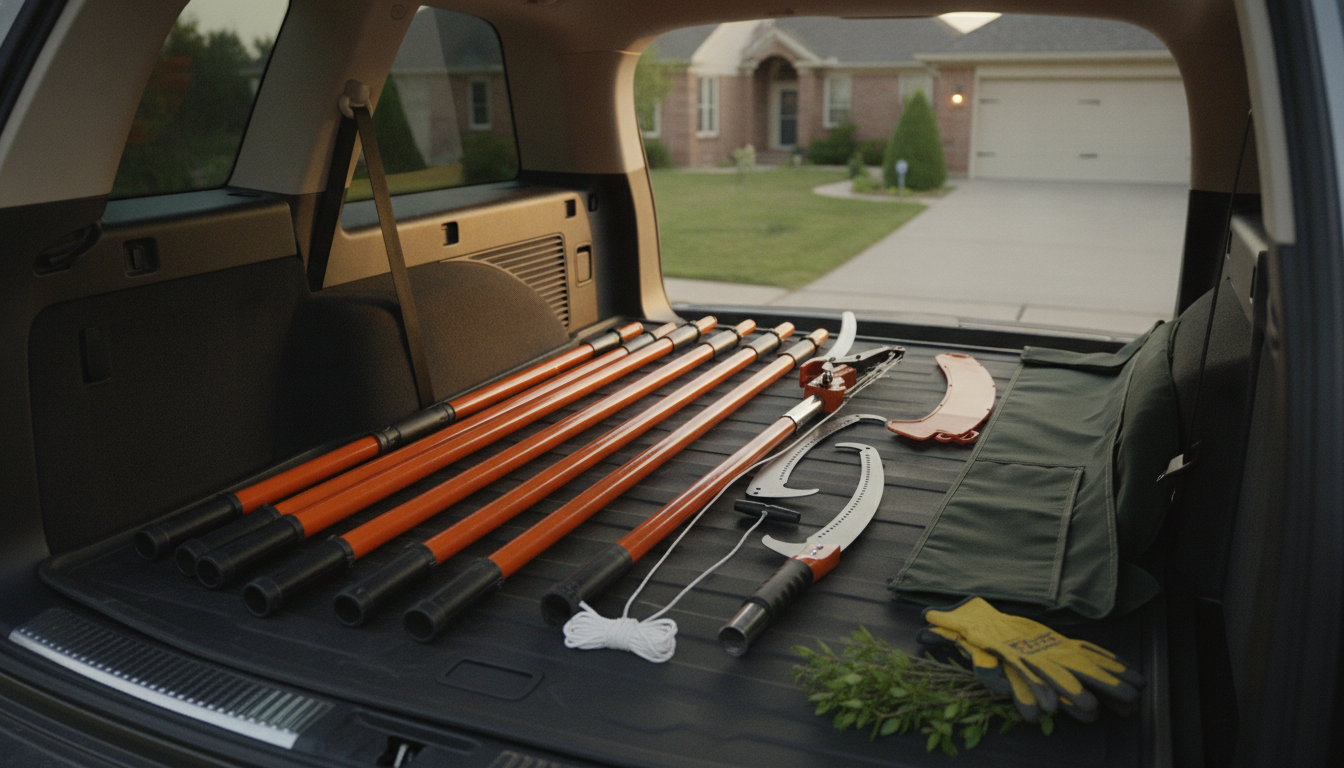
What is a manual pole saw called?
A manual pole saw is most commonly called a manual pole pruner or simply a pole pruner. Many people also use pole saw as a catch-all term, but “pole pruner” is often the more precise name when the tool is powered by your arms (not a motor) and may include a rope-actuated lopper or a pruning saw blade on an extendable pole.
What names might you see on product pages?
Depending on the design, the same type of tool can show up under a few different labels:
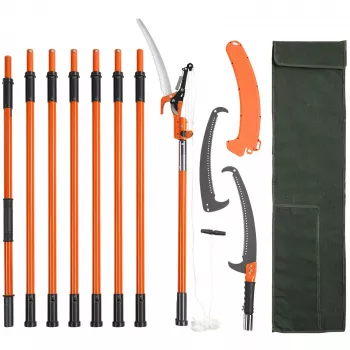
- Manual pole pruner: Usually describes a long pole tool meant for pruning with hand power. It may include a saw blade, a lopper head, or both.
- Pole saw (manual): Often used when the head is primarily a saw blade for cutting branches overhead.
- Tree pruner / tree trimmer (pole): Broader category terms that can refer to manual or powered models, so check the description for “manual” or “non-powered.”
- Rope pole pruner: Refers to models with a rope-and-pulley system that closes a cutting jaw (lopper) to snip branches.
- Extendable pole pruner: Highlights that the pole telescopes or accepts extensions for extra reach.
How to tell if it’s truly manual
A true manual pole saw/pruner won’t have a motor, battery, or fuel tank. Instead, it relies on a fixed pruning saw blade, a lopper head triggered by pulling a rope, or a combination head. Manual tools are popular for controlled pruning, lighter weight, and quieter use—especially when working on tall limbs where stability matters.
Choosing the right type for high branches
If the branch is thicker, a saw blade head is typically the better match. If you’re cutting smaller green branches, a rope-actuated lopper can be faster and cleaner. For a deeper walkthrough on reaching high limbs safely and choosing the right setup, see this guide to pruning tall trees with a 27ft manual pole saw.
FAQ
What’s the difference between a pole pruner and a pole saw?
A pole saw uses a saw blade to cut through branches, while a pole pruner often refers to a rope-actuated lopper that snips smaller limbs. Some tools combine both heads on the same pole for versatility.













Leave a comment