Essential Oils for Radiant, Youthful-Looking Skin
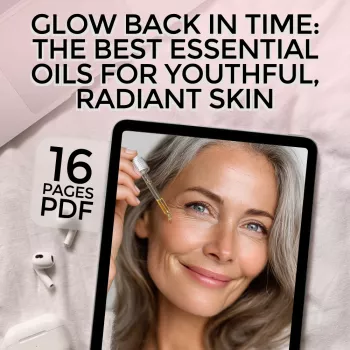
Glow Back in Time: Essential Oils for Youthful, Radiant Skin
Aging skin can look dull, feel drier, and show fine lines more easily—especially when the skin barrier is stressed. Essential oils can support a glow-focused routine when used correctly: always diluted, paired with barrier-friendly carriers, and chosen based on skin needs. This guide breaks down the most popular essential oils for mature-looking skin, how to use them safely, and simple blends that fit into everyday skincare.
Why skin looks less radiant over time
“Glow” is usually a mix of even-looking tone, smooth texture, and well-hydrated skin. Over time, a few natural shifts can make that harder to maintain.
- Slower natural exfoliation can make skin tone look uneven and less luminous.
- Lower oil production and barrier changes can increase dryness and the look of fine lines.
- Environmental stressors (UV exposure, pollution, friction) contribute to visible aging and dullness.
- A consistent routine that protects the barrier and supports hydration tends to amplify a radiant look more reliably than frequent product switching.
If you’re rebuilding glow, focus first on comfort: gentle cleansing, hydration layers, and daily sunscreen. The American Academy of Dermatology highlights simple, consistent habits as the foundation of healthy-looking skin.
Essential oil basics for aging skin (how to use them safely)
- Always dilute essential oils in a carrier oil (never apply neat to the face).
- Patch test every new blend on the inner arm for 24–48 hours before facial use.
- Start low and slow: use the lowest effective dilution and increase only if well tolerated.
- Avoid use on broken, irritated, or actively inflamed skin; pause during flare-ups.
- Be cautious with photosensitizing oils (especially expressed citrus oils) if skin will be exposed to UV.
- If pregnant, breastfeeding, or managing a medical condition, confirm essential oil use with a qualified clinician.
Quick dilution guide for facial use
| Use case | Dilution | Approx. drops per 1 tsp (5 mL) carrier |
|---|---|---|
| Extra-sensitive skin / first-time use | 0.25% | 0–1 drop |
| Typical facial serum | 0.5% | 1 drop |
| Occasional spot application (non-irritated skin) | 1% | 2–3 drops |
For deeper safety context, the National Center for Complementary and Integrative Health (NCCIH) notes that “natural” doesn’t automatically mean non-irritating—especially with concentrated essential oils. For professional use limits, consult IFRA Standards.
The best essential oils to support a youthful-looking glow
Essential oils don’t replace sunscreen or proven skincare actives, but they can complement a routine by enhancing the look of smoothness and radiance—when diluted and used consistently.
- Frankincense (Boswellia): often chosen for the look of firmness and smoother-looking texture; pairs well with richer carriers for dry skin.
- Rose (Rosa damascena): prized for mature, dry, and sensitive-leaning skin; commonly used for a comforted, “plumped” appearance.
- Lavender (Lavandula angustifolia): widely used for calming routines and occasional blemish-prone skin; can help routines feel less irritating when diluted properly.
- Helichrysum (Helichrysum italicum): frequently selected for the look of tone and texture; a popular option for revitalizing blends.
- Geranium (Pelargonium graveolens): often used for balance—helpful when skin feels both dry and prone to congestion.
- Neroli (Citrus aurantium var. amara flower): commonly chosen for a radiant look and for stress-supporting bedtime rituals.
At-a-glance: essential oils and what they’re commonly used for
| Essential oil | Best for | Ideal routine step | Pairs well with |
|---|---|---|---|
| Frankincense | Dullness, visible lines | Night serum | Jojoba, squalane, rosehip |
| Rose | Dryness, sensitivity | Night serum or facial oil | Argan, camellia, oat oil |
| Lavender | Comforted feel, occasional blemishes | PM spot-dilution or blend | Jojoba, grapeseed |
| Helichrysum | Uneven look, texture | Targeted blend | Rosehip, tamanu (small %), squalane |
| Geranium | Combination skin, uneven tone | AM/PM blend | Jojoba, sunflower |
| Neroli | Radiance, stressed skin | AM glow oil or PM ritual | Squalane, argan |
Carrier oils that complement essential oils for mature skin
A good carrier oil does most of the heavy lifting for comfort and barrier support—then the essential oil becomes a subtle add-on rather than the main event.
- Jojoba: lightweight and skin-similar; a good default carrier for most skin types.
- Squalane: very lightweight, low-odor, and usually well tolerated; suitable for daytime glow without heaviness.
- Rosehip seed oil: popular for the look of brightness and smoother tone; best stored carefully due to oxidation sensitivity.
- Argan oil: richer feel for dryness; often chosen for a soft, nourished finish.
- Sweet almond oil: comfortable slip for facial massage; avoid if nut-allergic.
Simple blends for a radiant routine (measured and beginner-friendly)
These blends keep the dilution conservative (generally 0.5%) so you can assess tolerance. Mix in a clean, dark glass bottle and label the date.
Recommended digital guides (instant download)
- Glow Back in Time: The Best Essential Oils for Youthful, Radiant Skin (Digital Download)
- Your Bright Mindset Boost Checklist: 3 Simple Steps to Think Positive Every Day
How to fit essential oils into an anti-aging skincare routine
Quality, storage, and red flags
FAQ
Can essential oils reduce wrinkles?
They can support the look of smoother, more radiant skin when used consistently and safely, but results vary. Daily sunscreen and proven skincare ingredients typically make the biggest visible difference over time.
What is the safest essential oil dilution for the face?
For most facial use, 0.25%–0.5% is a cautious range, especially for mature or sensitive-leaning skin. Patch test first and increase frequency gradually only if your skin stays calm and comfortable.
Which essential oils should be avoided on the face?
Higher-irritant oils such as cinnamon bark/leaf, clove, oregano, and thyme are common no-go options for facial skin. Also use caution with photosensitizing expressed citrus oils if you’ll be in the sun, and always follow published safety guidance for maximum use levels.













Leave a comment