1/2″ Drive 6-Point Impact Socket Set for Tough Jobs
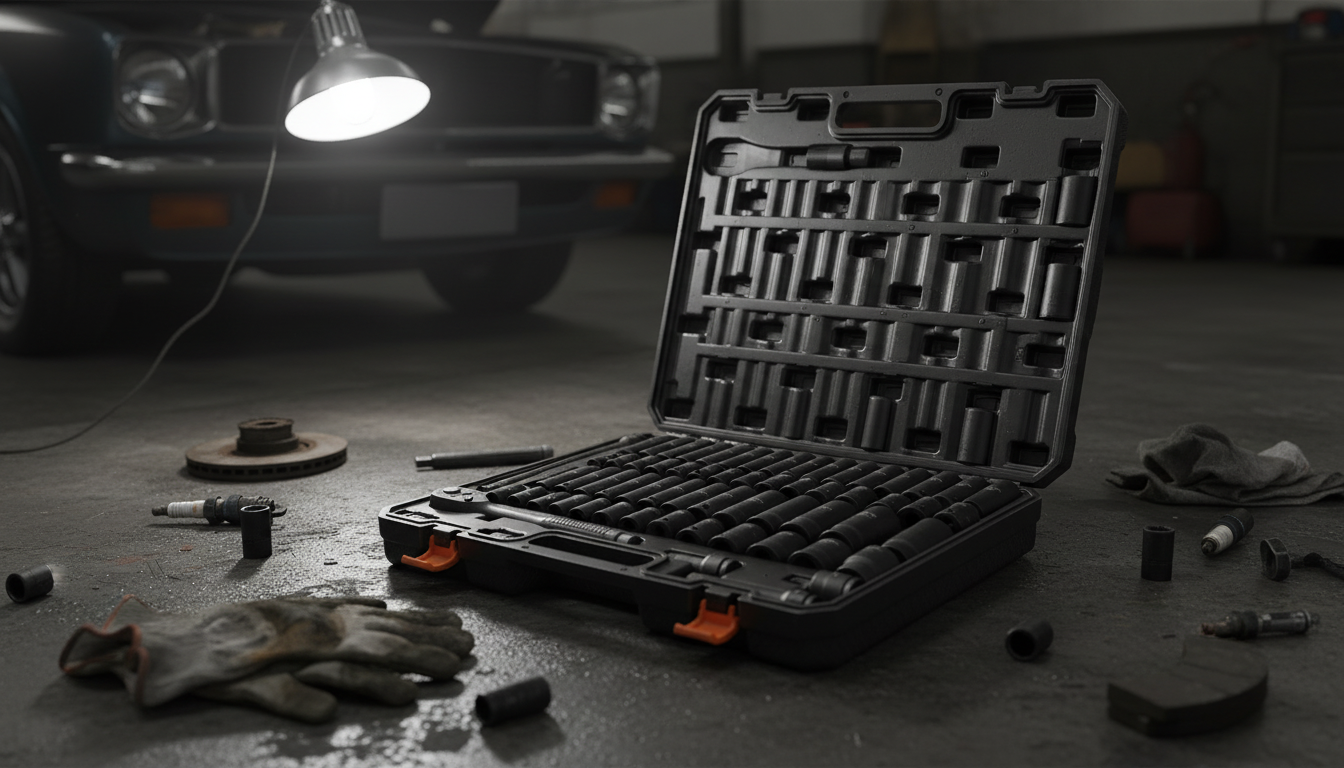
1/2″ Drive Impact Socket Set for Real-World Torque
A dependable impact socket set should survive repeated hammering, hold fastener flats without slipping, and let you grab the right size quickly—especially when you’re bouncing between wheel lugs, suspension hardware, and tight engine-bay fasteners. A 1/2″ drive, 6-point impact set made from chrome-vanadium (Cr‑V) steel is built for the kind of heavy-duty work where rounding a bolt head or wasting time hunting for the right socket is not an option.
What This Socket Set Is Built For
This style of 1/2″ drive impact socket set is purpose-made for jobs where torque is high, access is imperfect, and hardware isn’t always clean or cooperative.
- Designed for 1/2″ drive impact use on stubborn nuts and bolts in automotive, farm, trailer, and general repair work.
- 6-point geometry focuses force on the flats of the fastener for a more secure bite than 12-point in high-torque situations.
- Heavy-duty build targets repeated impact cycles, not occasional light-duty hand-tool use.
- Easy-read markings reduce downtime when switching sizes mid-job.
Key Features That Matter on the Job
Impact sockets earn their keep when they help you remove fasteners cleanly, maintain control, and keep you moving through a job without constant re-checks.
- 6-point socket profile: Helps reduce rounding on damaged or tight fasteners by distributing torque more effectively.
- Cr‑V steel construction: Balances strength and toughness for demanding shop conditions.
- High-contrast, easy-read size markings: Supports quick identification in low light, cramped wheel wells, and busy tool carts.
- 1/2″ drive compatibility: Works with common impact wrenches, breaker bars, and ratchets (confirm tool anvil type and drive size).
At-a-Glance Feature Guide
| Feature | Why it helps | Where it shows up most |
|---|---|---|
| 1/2″ drive | Fits widely used mid/high-torque tools | Lug nuts, suspension work, equipment service |
| 6-point design | Improves grip on fastener flats; lowers rounding risk | Rusty bolts, high-torque removals |
| Cr‑V steel | Built for strength and durability under load | Frequent shop use, repeated impact cycles |
| Easy-read markings | Faster size selection; fewer mistakes | Mobile work, dim garages, fast-paced repairs |
Cr‑V Steel and Impact Use: Practical Expectations
Cr‑V steel is common in socket manufacturing because it offers a solid blend of hardness and toughness. For impact use, what matters most is that the socket is engineered to tolerate shock loading and repeated torque cycles.
- Impact-rated sockets are designed to handle repeated “hits” from an impact wrench; non-impact sockets can crack under hammering.
- Best results come from fully seating the socket on the fastener and using properly matched extensions/adapters (impact-rated components recommended).
- For severely corroded hardware, penetrating oil and controlled torque reduce the chance of snapping studs or stripping heads.
For reference on impact socket expectations and sizing conventions, consult standards like ASME B107.110 – Impact Sockets, Accessories, and Attachments.
Easy-Read Markings: Why They’re More Than Convenience
When you’re rotating through multiple sizes—especially around wheels, brakes, and chassis hardware—markings aren’t just “nice to have.” They directly influence speed and accuracy.
- Clear markings keep workflow smooth when sizes change constantly during a single repair.
- They reduce mis-sizing that can round fasteners or force repeated socket swaps.
- In shared tool environments, easy identification helps keep sets organized even when sockets end up out of order.
- They’re easier to confirm at a glance when working with gloves or in poor lighting.
Where a 1/2″ Drive, 6-Point Set Fits Best
A 1/2″ drive set often lands in the “daily driver” zone for heavier automotive and equipment work—stronger than many 3/8″ setups, without the bulk of 3/4″ systems.
- Automotive: Wheel lugs, brake components, suspension bolts, drivetrain service (follow correct torque specs on reassembly).
- Light truck/SUV: Larger fasteners where 3/8″ drive tools can feel underpowered or overstressed.
- Equipment and shop maintenance: Machinery guards, mounts, and general fastener removal where reliability matters more than compactness.
- Home garage: A strong all-around set for heavy-duty tasks without jumping to specialty, large-drive tooling.
Using Impact Sockets Safely and Effectively
Impact tools multiply force quickly. A few habits can protect both the hardware and the person holding the tool.
For workplace guidance on eye protection, see OSHA – Eye and Face Protection (29 CFR 1910.133).
Fit, Compatibility, and Common Questions Before Buying
Care and Storage for Long Service Life
In-Stock Picks on Plushar
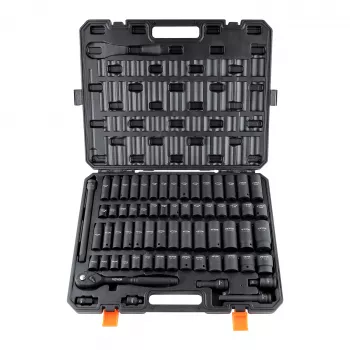
- 1/2″ Drive Impact Socket Set – 6-Point Cr-V Steel, Easy-Read Markings, Heavy-Duty
- The Ultimate Business Growth Hack Checklist: Scale Smarter, Not Harder | Digital Download for Entrepreneurs & Small Business Owners | Business Growth Hacks
- Your Bright Mindset Boost Checklist: 3 Simple Steps to Think Positive Every Day
FAQ
Are 6-point impact sockets better than 12-point for stuck fasteners?
In many high-torque removals, 6-point sockets grip the flats of the fastener more securely, which helps reduce rounding—especially on rusty or partially damaged heads. A 12-point can be convenient for more engagement angles, but it’s typically less ideal for seized hardware.
Can this 1/2″ drive impact socket set be used with a breaker bar or ratchet?
Yes. As long as the hand tool is also 1/2″ drive, impact sockets can be used with breaker bars and ratchets. Keep in mind impact sockets are often thicker and may not fit into very tight recesses.
How can socket markings be kept easy to read over time?
Clean sockets after use and wipe away grease so the labels remain visible. Avoid aggressive abrasion that can wear down stamped or painted markings, and store sockets so they aren’t rubbing together excessively.













Leave a comment