Retractable Dog Leash Parts Explained: What’s Inside
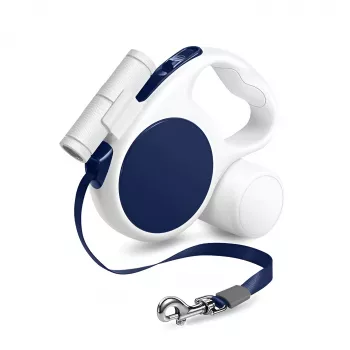
What’s Inside a Retractable Dog Leash?
A retractable dog leash looks simple from the outside, but inside the handle is a compact system of parts that work together to extend, retract, and lock the line smoothly. Knowing what’s inside can help you choose a sturdier leash and spot wear before it becomes a safety issue.
The Main Internal Parts
Spool (reel) and axle: The leash line (tape or cord) is wrapped around a spool. The spool spins around an axle as your dog moves away and returns.
Spring mechanism: A coiled, flat spring (often called a clock spring) sits in the handle and provides the pull that rewinds the line. When your dog walks out, the spring tightens; when they come back (or you guide them in), the spring releases and retracts the leash.
Brake/lock system: The button on top isn’t just a switch—inside, it connects to a sliding or pivoting brake that presses against the spool or a toothed gear. This adds friction to slow the line or fully stops it at a chosen length.
Line guide and exit ring: Where the leash leaves the housing, there’s usually a guide channel or ring. It helps keep the line centered so it winds evenly and reduces rubbing that can fray tape or cord over time.
What You Might Not Notice at First
Housing supports and screws: Internal posts and braces keep the spool aligned. If these loosen or crack, the spool can wobble and cause uneven winding or sudden snags.
Swivel clip connection: The line’s end is secured to an internal anchor point, then connected to a swivel clip. The swivel reduces twisting when your dog turns, helping prevent tangles and stress on the line.
Common Add-Ons in Modern Handles
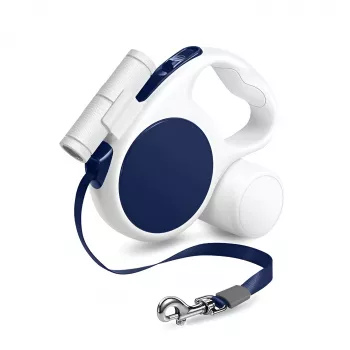
Some retractable leashes integrate extras into the same housing, such as an LED light or a poop bag holder. If you’re comparing feature-rich models, see the details in this guide: https://plushar.com/guide-3-in-1-retractable-dog-leash-led-light-poop-bag-holder/.
FAQ
How do you clean a retractable dog leash without ruining the mechanism?
Wipe the housing with a damp cloth and mild soap, then extend the line fully and clean it with a cloth before letting it air-dry completely. Avoid soaking the handle, since water can corrode the spring and weaken the lock.















Leave a comment