How to Wear a Watch: Fit, Placement & Style Checklist
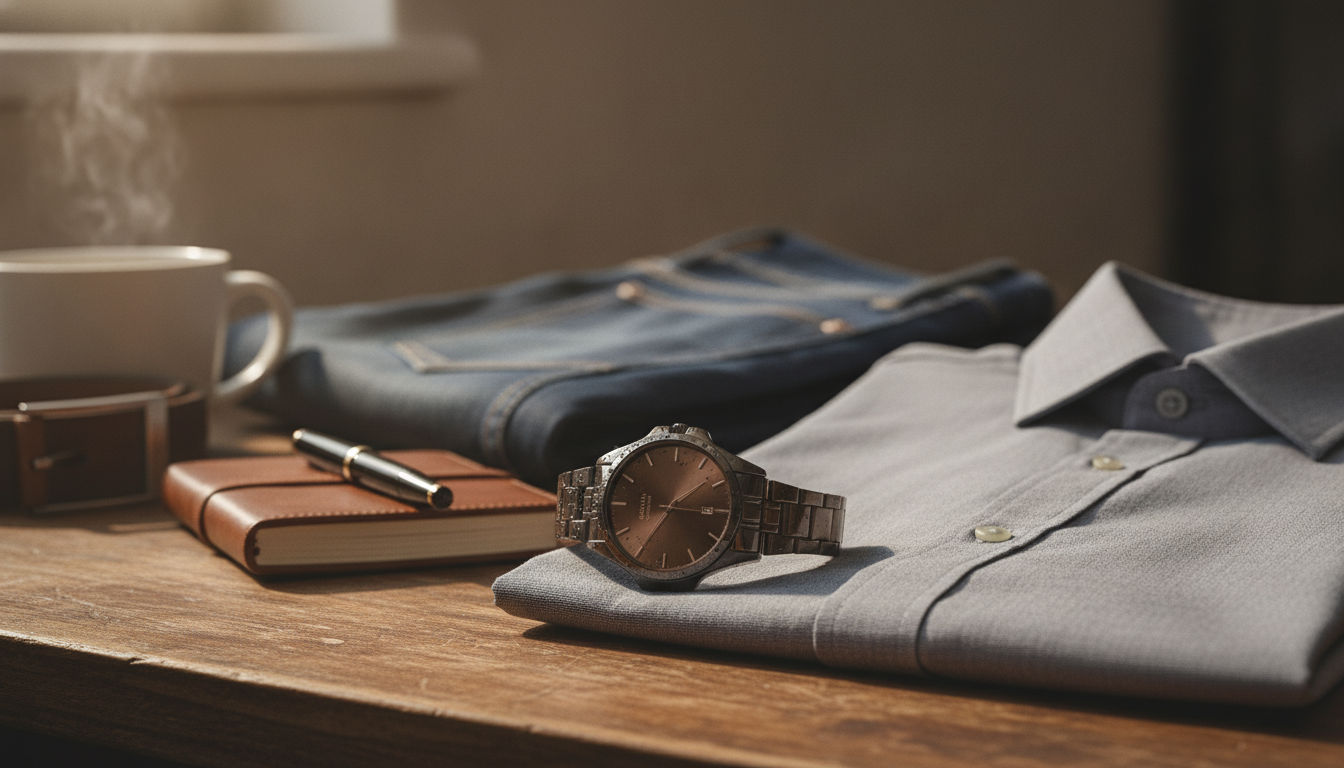
The Ultimate Watch-Wearing Checklist: Look Sharp, Tick Right
A watch can elevate an outfit or quietly derail it. The difference usually comes down to small details: where it sits on the wrist, how the strap fits, whether the style matches the occasion, and how it’s maintained. Use this step-by-step checklist to get a clean, confident look—fast—and keep the watch comfortable and accurate all day. For more guidance, see The RIGHT Watch To Wear With Your Outfits (Casual To Formal).
Start With the Fit: Comfort Before Style
Before anyone notices the dial or brand, they notice whether the watch looks “right” on your wrist—and whether you keep adjusting it. Fit is the foundation. For further reading, see A Man’s Guide to Wristwatches: How to Choose a Watch.
- Confirm case size works for your wrist: the lugs shouldn’t overhang the wrist edges. A centered watch looks intentional; a top-heavy case looks awkward and tends to rotate.
- Set strap/bracelet tension: aim for snug enough that it doesn’t slide freely, but loose enough to fit one finger under the strap without pinching.
- Adjust for temperature and activity: wrists swell in heat and during exercise. If you’re leaving deep marks, you’re wearing it too tight for the conditions.
- Quick check for irritation: make sure the clasp sits flat, remove rough edges (or swap the strap), and keep the caseback clean to reduce skin irritation.
Placement: Where the Watch Should Sit
Placement affects comfort, movement, and how the watch looks with sleeves.
- Wear it above the wrist bone (ulna): this keeps the case from digging into the back of your hand when your wrist bends.
- Dress settings: keep the watch mostly under the cuff. The goal is a smooth sleeve line, with only an occasional glimpse when you move.
- Crown comfort check: if the crown “bites,” rotate the watch slightly or consider a case profile that sits flatter. Some people also prefer crowns at 4 o’clock for comfort.
- Dominant-hand rule is flexible: many wear a watch on the non-dominant wrist for convenience and reduced wear, but work tasks and comfort come first.
Choose the Right Watch for the Occasion
A watch is part tool, part accessory. Match it to the setting the same way you match shoes to an event: not complicated, just intentional.
- Business and formal: lean toward simpler dials, thinner cases, and leather straps or refined bracelets.
- Casual and weekend: field, diver, and sport styles work well; prioritize durability and easy readability.
- Fitness and travel: digital or smart features can help, but keep the band breathable and secure so it doesn’t shift mid-activity.
- When in doubt, reduce visual noise: fewer complications and calmer colors tend to work with more outfits.
Quick pairing guide by setting
| Setting | Watch style | Strap or bracelet | What to avoid |
|---|---|---|---|
| Formal events | Dress / minimalist | Leather (black/brown) or slim metal | Bulky cases, bright sporty colors |
| Office / business casual | Simple analog, GMT if useful | Leather or brushed metal | Overly loud dials, oversized cases |
| Weekend / casual | Field, diver, everyday sport | NATO, rubber, leather, steel | Too delicate straps for rough use |
| Gym / outdoor | Digital / sport / smart | Rubber or breathable fabric | Loose fit, non-sweat-resistant leather |
Match Metal, Leather, and Color Without Overthinking
Coordination doesn’t require perfect matching—just avoid combinations that look accidental.
Timekeeping and Setup: Don’t Let Details Betray the Look
Wearing Etiquette: Subtle Rules That Keep It Classy
- Avoid constant watch-checking: it can read as impatience even when unintentional. If you need to track time, do it discreetly.
- Keep the watch quiet: metal bracelets can clink when links are too loose. Make sure the clasp is secure and the bracelet is sized correctly.
- Respect water resistance: “water-resistant” isn’t the same as “safe for swimming.” Ratings and test methods vary; ISO guidance is a helpful reference point (see ISO 22810). Avoid hot showers, which can stress seals.
- One statement piece at a time: if the watch is bold, keep other accessories quieter so the outfit looks curated, not crowded.
The 60-Second Watch-Wearing Checklist (Save or Print)
| Check | Pass standard | Quick fix |
|---|---|---|
| Fit | Snug with one-finger gap | Adjust hole/link; change strap length |
| Placement | Above wrist bone; no digging | Slide up wrist; rotate slightly |
| Match | Correct for occasion | Swap strap; choose simpler dial |
| Function | Accurate time/date | Reset; wind/charge |
| Finish | Clean and secure | Wipe; tighten clasp/keeper |
Digital Download: Checklist You Can Keep on Your Phone
- The Ultimate Watch-Wearing Checklist: Look Sharp, Tick Right – How to Wear a Watch Guide & Digital Download
- Your Bright Mindset Boost Checklist: 3 Simple Steps to Think Positive Every Day (a simple add-on routine for pre-meeting prep—pair it with the 60-second watch check for a more composed “ready to go” moment)
For background on how wristwatches evolved into everyday essentials, see Britannica’s overview of the wristwatch.
FAQ
Which wrist should a watch be worn on?
Most people wear a watch on the non-dominant wrist for convenience and reduced wear, but it’s not a strict rule. Comfort, job tasks, and whether the crown digs into your hand matter more than tradition.
How tight should a watch fit?
It should be snug enough that it doesn’t slide freely, but loose enough to fit one finger under the strap without pinching. Loosen it slightly in hot weather or during activity when your wrist may swell.
Can a watch be worn with a suit?
Yes—choose a slimmer, simpler watch and keep it mostly under the cuff for a clean line. Coordinate leather and metal tones with your other accessories so the overall look stays refined.














Leave a comment