30-Inch Mantel Electric Fireplace with Remote: Fit & Heat
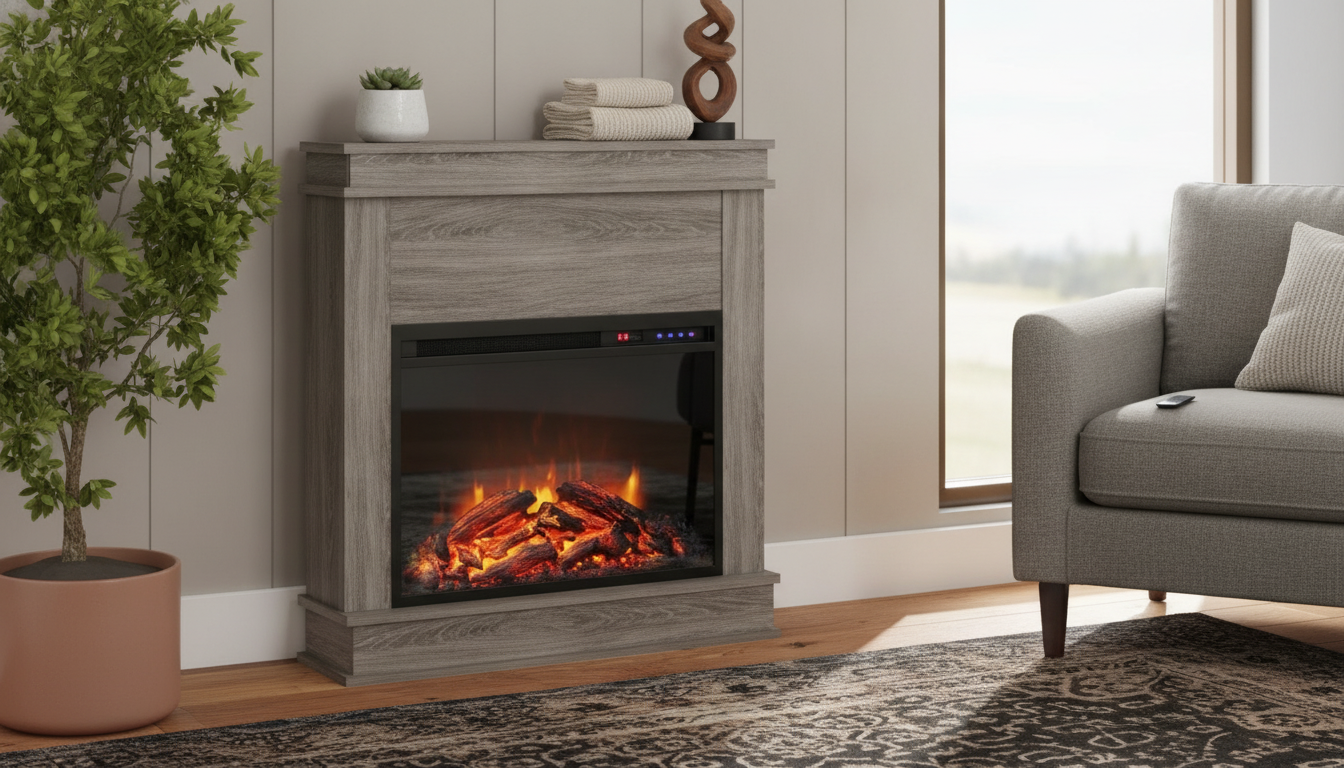
30-Inch Freestanding Electric Fireplace with Mantel and Remote Control: Comfort, Style, and Simple Control
A freestanding electric fireplace with a mantel can bring the cozy, “built-in” feel of a classic hearth without remodeling, venting, or running gas lines. A 30-inch model is especially appealing for apartments, bedrooms, and smaller living areas where floor space matters—but you still want a statement piece that adds warmth and atmosphere. Below is a practical guide to fit, heating expectations, controls, safety, and everyday upkeep so you can choose a unit that matches your room and routine. For more guidance, see Best Electric Fireplace Inserts of 2026.
Why a freestanding electric fireplace with mantel works for many rooms
Freestanding mantel fireplaces have a way of making a space feel finished. Instead of a blank wall, you get a focal point that can anchor seating, artwork, or seasonal decor—without the commitment of permanent construction. For further reading, see Electric Fireplaces by Amantii | Contemporary Electric Fireplace.
- Creates a traditional mantel look without venting, chimneys, or gas connections.
- Freestanding placement makes it easier to rearrange furniture or move to a new room later.
- Flame-only mode can add ambience in warm weather without raising the temperature.
- Remote control operation keeps adjustments simple from the sofa or bed.
Size and placement planning for a 30-inch unit
A 30-inch freestanding mantel is often a “just right” footprint for tighter rooms, but it still needs breathing room for safe airflow and comfortable traffic paths.
- Measure your wall span and nearby furniture clearances so the mantel won’t pinch walkways.
- Plan around a standard wall outlet and route the cord where it won’t become a tripping hazard.
- Keep the unit away from heavy drapes and avoid placing it where airflow is blocked.
- Mock the footprint with painter’s tape so you can confirm proportions before committing.
If you’re working with an open layout, consider mapping “zones” (reading chair area, TV seating, desk corner) so the fireplace supports the way the room actually functions. For layout help, see From Open Rooms to Intentional Zones Bundle – 10-in-1 Guide for Multi-Functional Living Spaces.
Heat performance and what to expect in everyday use
Most electric fireplaces use fan-forced heat. That means the comfort you feel depends on room size, ceiling height, insulation quality, and drafts—not just the fireplace’s presence in the room.
- Electric heat is typically best as “zone heat” for the area you’re using, not as whole-home heating.
- Rooms with drafts (older windows, exterior doors that leak air) can reduce how warm the space feels.
- Thermostat settings or multiple heat levels help maintain steadier comfort and reduce cycling.
- For bedrooms and offices, pay attention to fan noise—quiet operation matters when the room is otherwise silent.
For general energy guidance on space heating, the U.S. Department of Energy provides practical tips for using space heaters efficiently: U.S. Department of Energy — Space Heaters.
Remote control and convenience features that matter
A remote isn’t just a nice extra—it changes how often you’ll actually use the features you paid for. When the controls are easy, you’re more likely to switch to flame-only mode in the evening or dial back heat once the room is comfortable.
- Remote control can make it effortless to switch between flame-only and heat modes.
- Look for independent settings for flame brightness, heat level, and a timer (when available).
- Indicator lights or a clear display can reduce guesswork and confirm settings quickly.
- A timer supports “set it and forget it” shutoff for bedtime, naps, or workday routines.
Quick comparison: electric fireplace vs. other common options
Choosing a fireplace style usually comes down to installation limits, maintenance tolerance, and how much heat you truly need. Freestanding electric models are popular because they avoid venting requirements and simplify day-to-day ownership.
Feature snapshot by fireplace type
| Type | Venting needed | Typical maintenance | Best for |
|---|---|---|---|
| Freestanding electric with mantel | No | Dusting, occasional exterior cleaning | Ambience + supplemental zone heat |
| Gas (insert or built-in) | Usually yes (varies by model) | Annual inspection, possible servicing | Higher heat output, frequent heating |
| Wood-burning | Yes (chimney) | Ash cleanup, chimney sweeping | Traditional fires, occasional use |
For broader third-party safety standards and certification information, visit UL Standards and Safety Guidance.
Safety, power, and operating basics
Electric fireplaces are straightforward, but they still draw significant power when heating. Treat them like other high-wattage appliances and set them up to reduce risk.
Product spotlight: 30-Inch Freestanding Electric Fireplace with Mantel and Remote Control
If you want a compact mantel-style centerpiece without permanent installation, the 30-Inch Freestanding Electric Fireplace with Mantel and Remote Control is designed to deliver that classic hearth look in a freestanding format.
Setup checklist and care tips for long-term use
FAQ
Can the flame effect run without heat?
Many electric fireplaces offer a flame-only mode for ambience without warming the room. Check that the controls allow the flame and heater to operate independently and confirm how to toggle each mode.
How much space can a 30-inch electric fireplace heat?
Heating coverage depends on the unit’s wattage, the room’s insulation, ceiling height, and drafts. In most homes, it’s best to think of an electric fireplace as supplemental zone heat for a primary sitting or sleeping area rather than whole-house heating.
Is it safe to plug an electric fireplace into a power strip?
It’s safest to plug the fireplace directly into a wall outlet whenever possible. Because heaters draw substantial current, power strips and extension cords can overheat unless they’re specifically rated for the load and allowed by the manufacturer.













Leave a comment