680° Rotating 1/14 RC Excavator: All-Terrain Digging Fun
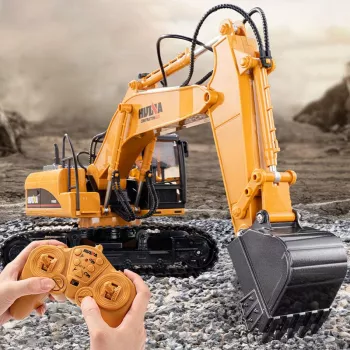
1/14 RC Excavator Fun That Feels Like the Real Thing
A realistic RC excavator can turn a backyard sand pile, a garden bed edge, or a living-room play tray into a mini “job site” that stays fun long after the first scoop. The difference between a toy that gets parked after a few minutes and one that earns repeat play usually comes down to how naturally it moves: smooth swing, steady tracks, and an arm-and-bucket motion that’s easy to control. A 1/14-scale excavator with 680° rotation is designed for exactly that kind of repeatable digging cycle—scoop, swing, dump, and reset—without constant repositioning.
What makes a rotating RC excavator feel real
A wider swing range keeps the action flowing
When the upper structure can rotate through a large range, it’s easier to keep digging and dumping without stopping to re-aim the whole machine. That translates to smoother “work cycles” and fewer interruptions during play.
Independent tracks help you line up precisely
Track control matters as much as the arm. Being able to creep forward, pivot in place, or make small adjustments helps line the bucket up with a pile or a target dump area, especially in a tight sandbox or tray.
Smoother, more proportional-style motion (when available)
Excavator play is more satisfying when the boom and bucket movements feel gradual instead of jerky. Even small improvements in control smoothness make scooping, shaving layers, and spot dumping feel more “operator-like.”
Why 1/14 scale is a sweet spot
A 1/14 model typically has a more stable stance than smaller minis, so it looks and feels more capable on sand, loose soil, or mulch. It also has enough size to be engaging without requiring a huge space to enjoy it.
Product overview: 1/14 RC Excavator with 680° Rotation
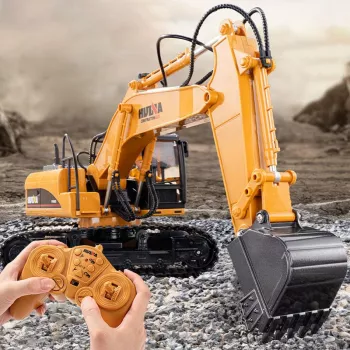
The 1/14 RC Excavator with 680° Rotation – All-Terrain Remote Control Construction Toy is built for digging, scooping, and relocating small loads across a variety of play surfaces. The 680° rotating body expands the swing coverage, so loading and unloading can happen from more angles without having to move the tracks as often. For many setups—sandbox edges, garden dirt piles, or a contained indoor tray—this makes the whole experience feel less like “point-and-try” and more like running a repeatable routine.
| Item | Details |
|---|---|
| Product | 1/14 RC Excavator with 680° Rotation – All-Terrain Remote Control Construction Toy |
| Scale | 1/14 |
| Rotation | 680° |
| Availability | In stock |
| Price | $208.01 USD |
How 680° rotation changes play on a “job site”
Faster cycles with fewer track moves
With a broad swing arc, the classic routine—scoop → swing → dump—usually takes fewer “reset” steps. Instead of backing up and re-centering after every dump, the upper body can often handle the angle change by itself.
More freedom in where you place the dump pile
It’s easier to stage materials behind the excavator, off to the side, or along a sandbox wall. That flexibility makes play areas feel bigger because the machine can work multiple zones without constantly relocating.
Working around edges and obstacles
Sandbox corners, rocks, toys, and tray walls can block a narrow swing path. A wider rotation range helps the bucket find a clean approach without having to force the tracks into awkward positions.
More realistic role-play rhythm
Real excavators spend a lot of time swinging, not just driving. When an RC excavator can repeatedly dig and swing smoothly, the play pattern naturally starts to mimic how full-size equipment operates.
All-terrain use: where it performs best
Sand (sandbox, beach-style play sand, sand tables)
Sand is ideal for practicing clean scoops and controlled dumping. If sand is extremely dry and collapses, a light mist can help it pack just enough to “hold” a bucket load without turning into sticky clumps.
Dirt and garden soil
Loose soil works well for digging and relocating. Avoid compacted clay-like dirt that resists the bucket; heavy resistance can bog down tracks and make arm movement less satisfying during repeated cycles.
Gravel and small stones
Indoor play (contained and low-mess)
Using it like a real operator: simple skills to try
Bench loading for cleaner scoops
Trenching practice
Spot dumping challenges
Pivot turns in tight spaces
Setup, care, and storage tips
For a simple, repeatable cleanup routine after outdoor play, a printable checklist can help keep parts and play spaces tidy. The Eco-Friendly Laundry Day Checklist | Sustainable Living Guide | Digital Download Printable for Green Home & Zero Waste Lifestyle can also be repurposed as a quick “post-play reset” reminder—shake out mats, brush off sand, and keep storage bins dry.
For additional guidance on toy safety and general best practices, consult ASTM F963 (Standard Consumer Safety Specification for Toy Safety) and the U.S. Consumer Product Safety Commission Toy Safety resources.
Who it’s for and gift ideas
FAQ
What does 680° rotation mean on an RC excavator?
It means the excavator’s upper body (house) can swing through nearly two full turns, giving a broader working arc for digging and dumping. This usually reduces how often you need to reposition the tracks, though the exact behavior depends on the model’s design limits and controls.
Can an all-terrain RC excavator run on grass and gravel?
It can traverse many outdoor surfaces, but it typically performs best on firm ground, sand, or loose soil where the tracks can maintain traction. Thick grass and larger gravel can reduce grip and make digging more difficult.
How can cleanup be kept easy after sandbox play?
Brush off sand before bringing the excavator indoors, and clear grains from joints and tracks so nothing packs into moving parts. Using a tray or mat under the play area helps catch spills, and storing everything dry prevents sticky residue and buildup.














Leave a comment