Safer Self-Cleaning Litter Box for Multi-Cat Homes
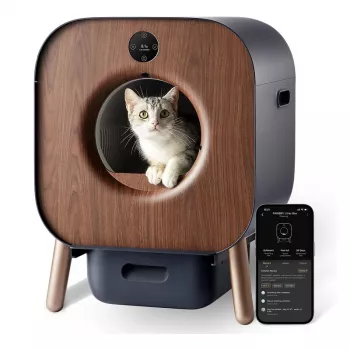
Automatic Self-Cleaning Litter Box With Safety Features for Multi-Cat Households
Multi-cat homes create more frequent litter box use, faster odor buildup, and more chances for messes or conflicts. An automatic self-cleaning litter box can reduce daily scooping while helping keep the area cleaner and more consistent—especially when it includes safety sensors and thoughtful design to protect curious cats and reduce stress during cycles.
Why multi-cat households benefit from automatic cleaning
When two or more cats share a litter area, “good enough” cleanliness can turn into a problem quickly. Higher usage means clumps form faster, and a dirty box can lead to avoidance, accidents, or tension between cats. Automatic cleaning helps by removing waste soon after visits, so the litter bed stays more consistent throughout the day.
That consistency matters for picky cats that dislike stepping into used litter. Regular cycles can also make it easier to maintain the “clean and often” routine many cats prefer without needing to scoop multiple times daily. In smaller homes or apartments, more consistent cleaning can help control odor between full litter changes, especially when paired with a sealed waste drawer and a predictable emptying schedule.
Safety features that matter most (and why)
In a multi-cat household, cats may crowd the box, investigate mid-cycle, or even queue nearby. Safety-focused features reduce risk and help cats feel more comfortable around a device that moves and makes sound.
- Motion/presence detection: pauses or prevents a cleaning cycle when a cat approaches or enters.
- Anti-pinch and obstruction sensing: stops movement if something blocks the mechanism to reduce risk of injury.
- Delay-start cleaning: allows time for cats to leave after use, reducing startle and preventing mid-use cycling.
- Stable, enclosed waste path: helps prevent paws from reaching moving parts and keeps waste contained.
- Child/pet lock controls: reduces accidental button presses that could start a cycle unexpectedly.
- Overheat and power interruption protections: helps the device restart safely or remain idle after outages.
| Feature | What it does | Why it helps in multi-cat homes |
|---|---|---|
| Presence/motion sensors | Detects a cat nearby or inside and pauses cycling | Reduces accidental cycling when cats crowd the box or queue nearby |
| Delay-start timer | Waits before running after a visit | Prevents surprise movement that can scare skittish cats |
| Obstruction detection | Stops if resistance is sensed | Adds protection for curious cats that investigate during operation |
| Lockable controls | Disables buttons/settings changes | Prevents unintended cycles from kids, guests, or bumps |
| Covered waste drawer | Seals waste away between emptying | Helps odor control when usage is frequent |
Sizing, capacity, and placement for multiple cats
Size and placement can be the difference between “everyone uses it” and “someone protests.” Choose a unit with adequate interior space so larger cats can turn comfortably; cramped boxes can cause avoidance. Multi-cat households should also pay close attention to waste-bin capacity—frequent use can fill a drawer faster than expected, and an overfilled bin can increase odor or interrupt cleaning cycles.
Placement should be low-traffic but not isolated to the point that a timid cat feels trapped. Pick a ventilated area with enough clearance for entry/exit and maintenance access, and place the unit on a stable, level surface. Shifting or wobbling can create noise and reduce confidence in the box. Also avoid setting it next to loud appliances (laundry machines, HVAC closets) where sudden sounds may startle a cat that is already unsure about the device.
Odor control strategies that pair well with self-cleaning
Automatic cleaning helps, but odor control is still a system: litter performance, waste containment, and routine maintenance all matter. Start with a compatible litter type recommended for the mechanism—clumping performance affects cleaning reliability, and overly dusty litter can coat sensors and seals.
For broader cat-care guidance (including hygiene and household routines), see resources from the American Veterinary Medical Association (AVMA), the ASPCA, and Cornell’s guidance on litter box management.
Introducing an automatic box to multiple cats
Maintenance routine for reliable, safe operation
A ready-to-use option for busy multi-cat homes
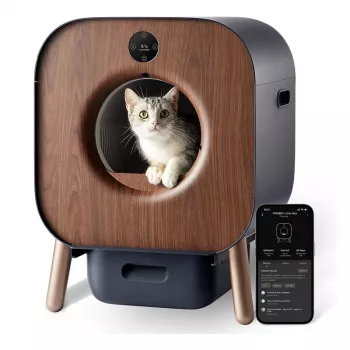
For households aiming to reduce daily scooping while prioritizing safe operation, Automatic Self-Cleaning Litter Box with Safety Features for Multi-Cat Households is designed to support more consistent cleanliness between full litter changes and automated waste collection.
To keep any automatic setup running smoothly, pairing it with a simple, repeatable home routine can help—especially when multiple cats increase day-to-day variability. If a printed checklist fits your style, Eco-Friendly Laundry Day Checklist | Sustainable Living Guide | Digital Download Printable for Green Home & Zero Waste Lifestyle can be adapted to include recurring pet-area tasks (like emptying drawers and wiping sensors) alongside regular household cleaning.
| Product | Price | Availability |
|---|---|---|
| Automatic Self-Cleaning Litter Box with Safety Features for Multi-Cat Households | 672.17 USD | In stock |
FAQ
Is an automatic self-cleaning litter box safe for kittens or curious cats?
It can be safer when it includes presence detection, delay-start cleaning, and obstruction sensing, but kittens and highly curious cats should be supervised during the early adjustment period. Follow the manufacturer’s minimum weight/age guidance and keep the unit powered off during initial introductions until cats are comfortable.
How often does the waste drawer need to be emptied with multiple cats?
It depends on the number of cats, diet, and the waste-bin capacity, so check it daily at first to learn the average fill rate. Many multi-cat homes end up emptying every few days, with more frequent emptying during high-use periods.
Will one automatic litter box be enough for two or more cats?
Many cats can share one if it stays consistently clean, but behavior and home layout matter. If you notice guarding, stress, or accidents, adding another litter option in a different location can reduce tension and improve reliability.














Leave a comment