Dog Stress Relief: Routines, Enrichment & Safe Zones
What is the best stress relief for dogs?
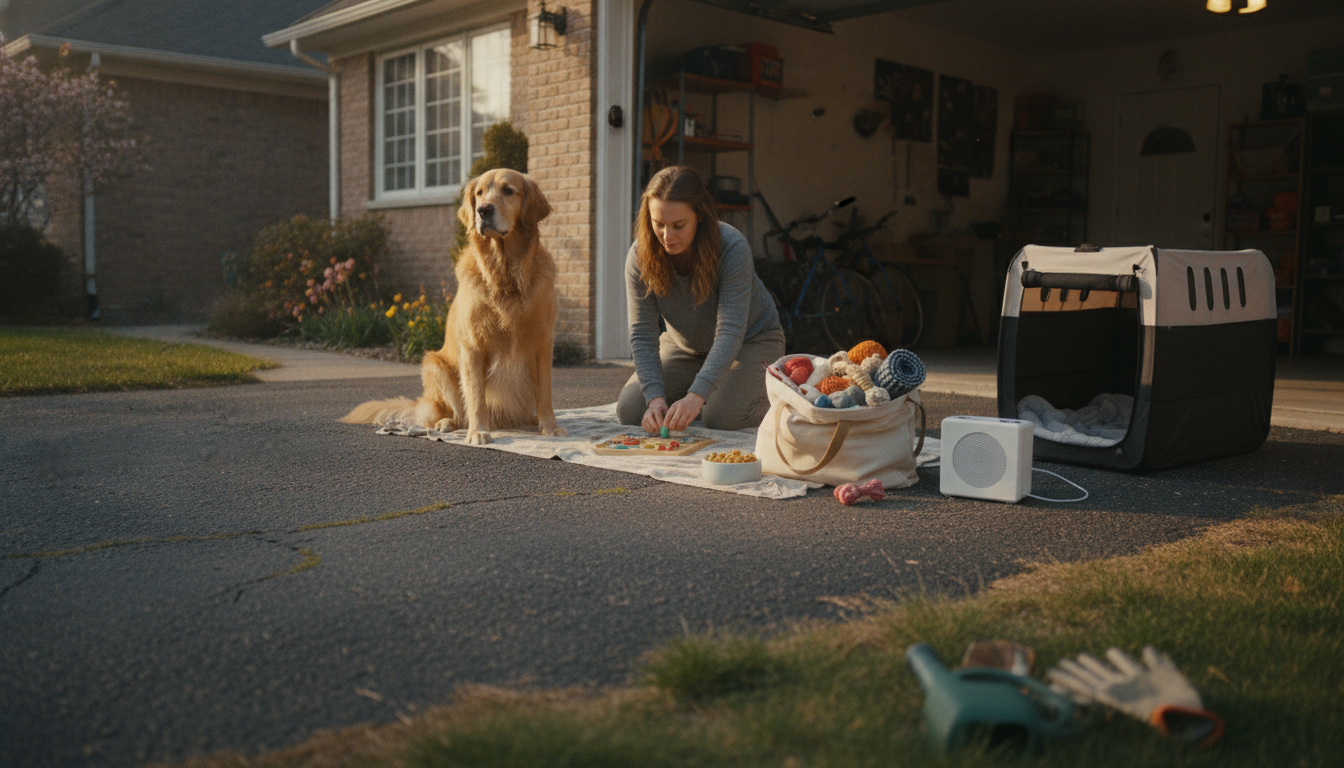
The best stress relief for dogs is a consistent, low-pressure routine paired with calming outlets that match your dog’s personality: predictable exercise, enrichment you can control (like sniffing and food puzzles), a quiet “safe zone,” and gentle relaxation cues. For many dogs, the biggest breakthrough isn’t one product—it’s reducing uncertainty and giving them a repeatable way to settle.
Start with predictable movement and sniff time
Daily exercise helps burn off stress hormones, but intensity isn’t always the goal. A brisk walk plus dedicated sniffing time (letting your dog explore at their pace) can be more soothing than a high-arousal game of fetch. If your dog gets overstimulated easily, choose shorter, calmer outings more often.
Add calming enrichment (without revving them up)
Stress-relieving enrichment should encourage licking, chewing, and problem-solving. Try a stuffed lick mat, a slow feeder, or a simple scatter feed in the grass. These activities engage natural behaviors and help many dogs downshift after triggers like visitors, storms, or noisy streets.
Create a “safe zone” and protect it
Set up a quiet area your dog can retreat to—away from foot traffic, loud TVs, and doorbells. Keep it consistent and let your dog choose it freely. Pair the space with soft lighting, white noise if helpful, and a few familiar comfort items so it becomes a reliable reset button.
Train relaxation cues and keep your responses calm
Simple cues like “place,” calm treat delivery for quiet behavior, and short decompression breaks can teach your dog what settling feels like. If your dog is anxious, avoid accidentally rewarding frantic behavior; instead, reinforce small moments of calm and give your dog space to recover.
For a step-by-step approach that’s easy to follow, use this 7-day calm home routine for dog stress relief to build steady progress without overwhelming your dog.
FAQ
How can I tell if my dog is stressed or just excited?
Stress often shows up as panting when it’s not hot, pacing, trembling, yawning, lip licking, whale eye, tucked tail, or sudden shedding—especially if it happens around specific triggers. Excitement is usually more bouncy and social, and it fades quickly once the situation passes.












Leave a comment