Start a Waste-Free Home: 6 Easy Steps That Stick
Where do I start a waste free home?
Start with one “high-touch” area where you generate waste every day, then swap habits before you buy new stuff. For most households, that’s the kitchen and laundry. A waste-free home isn’t about perfection; it’s about reducing what comes in, using what you already have longer, and making disposal the last resort.
1) Do a quick trash audit
For one week, notice what fills your trash and recycling the fastest (paper towels, plastic wrap, takeout containers, detergent jugs, snack packaging). This shows the few changes that will cut the most waste right away.
2) Use what you already own first
Before replacing anything, finish what’s under the sink and in the pantry. Repurpose jars as storage, old towels as cleaning rags, and mismatched containers for leftovers. Buying “eco” replacements too early often creates extra waste.
3) Pick 3 easy swaps that fit your routine
Choose changes that remove repeat purchases:
- Cloth towels/napkins instead of paper towels
- Refillable hand soap or soap bars
- Reusable water bottle and coffee cup
Keep it small so it sticks. Once those are automatic, add another swap.
4) Make laundry your next win
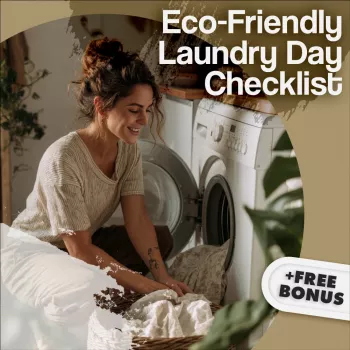
Laundry is a practical place to reduce plastic, chemicals, and energy without changing your whole life. Switch to concentrated or low-waste detergent options, skip single-use dryer sheets, and wash cold when possible. For a step-by-step checklist, see this zero-waste, eco-friendly laundry day guide.
5) Set up a simple “reuse + recycle” station
Place a small box for donation, a bin for hard-to-recycle items you’re collecting (to drop off monthly), and a clearly labeled recycling setup. When it’s easy, you’ll do it consistently.
6) Buy less, but buy smarter
When you do need something, aim for durable materials, repairable designs, and minimal packaging. Choose secondhand first when it makes sense, then select high-quality items you’ll keep.
FAQ
What are some zero-waste alternatives to dryer sheets?
Use wool dryer balls to reduce static and drying time, or skip softeners entirely and rely on proper detergent dosing. If you want fragrance, add a few drops of essential oil to dryer balls and let them dry before use.














Leave a comment