Solo Grocery Budget Guide: Spend Less, Waste Less
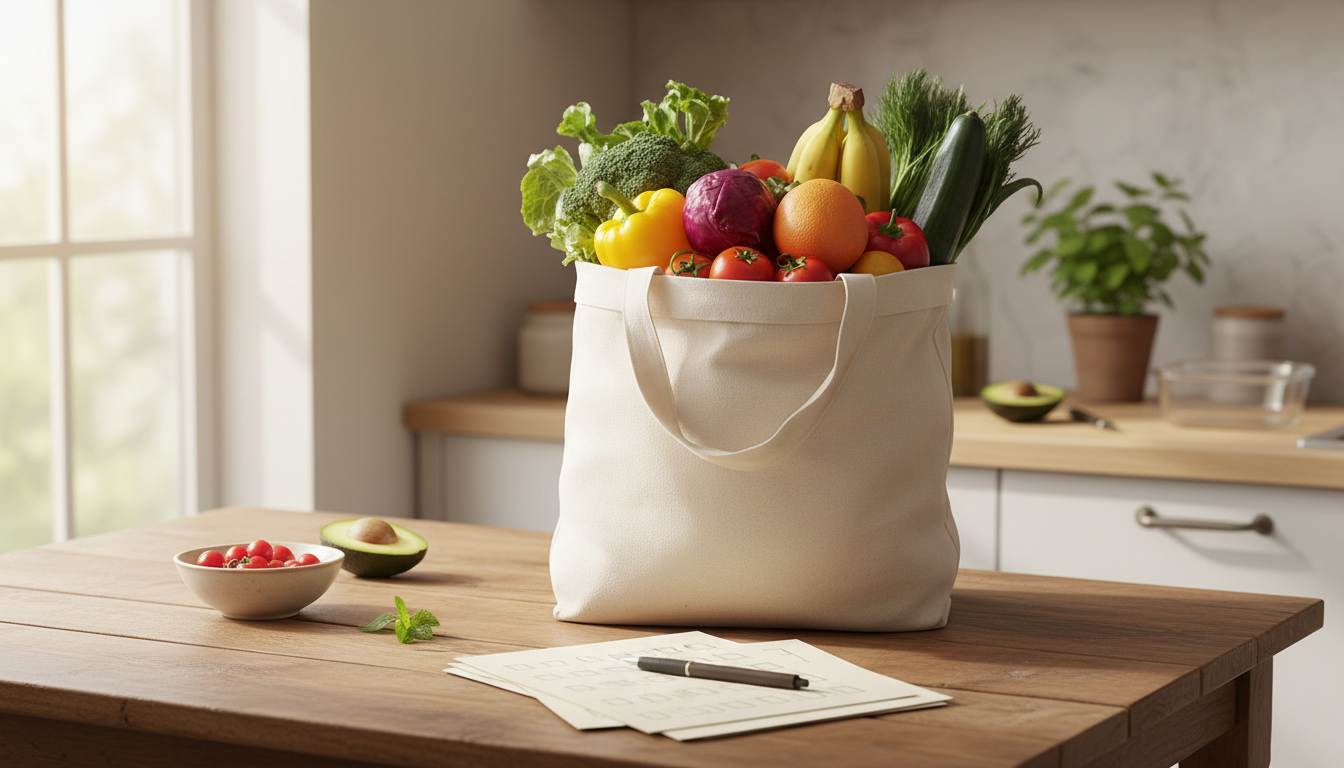
The Solo Shopper’s Grocery Budget Cheat Sheet: Save Smart, Eat Well, Stress Less
Shopping for one can feel oddly expensive: larger package sizes, impulse buys that don’t get used, and last-minute takeout when meal plans fall apart. A simple system—budget cap, flexible meal plan, and a short checklist—keeps spending predictable while still eating well. Use the steps below to set a realistic weekly number, shop with intention, and waste less without sacrificing variety.
Why grocery budgets feel harder when shopping for one
Solo grocery shopping has a few built-in “money leaks” that don’t show up as clearly in a household cart.
- Package sizes often exceed what one person can finish before spoilage, turning “value” into waste.
- Convenience spending rises when plans are unclear (snacks, single-serve items, delivery, or ready-made meals).
- Decision fatigue leads to duplicate purchases (another sauce, another carton of eggs) and forgotten pantry items.
- A small number of impulse items can blow a solo budget faster than a family cart.
- The goal isn’t perfection; it’s a repeatable routine that makes “good enough” easy.
Set a weekly budget that matches real life
A workable budget is one you can repeat without feeling punished. Start with a weekly cap that feels slightly challenging (but still realistic), then adjust after two weeks using actual receipts and waste patterns.
- Pick a weekly cap you can stick to—even on a busy week.
- Separate “food at home” from “food out” so your grocery budget isn’t blamed for restaurant spending.
- Build a small buffer for pantry basics (oil, spices, coffee) that don’t fit neatly into meal math.
- Track spending simply: a receipts folder, notes app, or one spreadsheet line per trip.
- Recalibrate after two weeks based on totals and what went uneaten.
Quick weekly budget split for solo shopping
| Category | Target share | Notes |
|---|---|---|
| Core meals (proteins + veg + grains) | 55–65% | The backbone of lunches/dinners |
| Breakfast basics | 10–15% | Rotate 2 options to avoid boredom and waste |
| Snacks & treats | 5–10% | Pre-decide one treat to prevent multiple impulses |
| Pantry & household add-ons | 5–10% | Spices, condiments, paper goods as needed |
| Flex/buffer | 5–10% | Covers price swings and surprise needs |
If you want a baseline reference point, the USDA’s Thrifty Food Plan is a helpful benchmark for what it can cost to eat at home, even though local prices and dietary preferences vary.
Plan a “mix-and-match” menu instead of a rigid meal plan
Rigid meal plans break the moment your week gets busy. Mix-and-match planning keeps your cart smaller and your options open.
- Choose 2 main proteins for the week (example: chicken thighs + lentils) and build multiple meals from each.
- Choose 2 vegetables that work raw and cooked (example: bell peppers + carrots).
- Choose 1 versatile starch (rice, pasta, tortillas, or potatoes) plus 1 quick backup (frozen veg, canned beans, or soup).
- Create 3–4 repeatable meal templates: bowl, stir-fry, salad + protein, pasta + veg.
- Keep one emergency meal option for low-energy nights to avoid overspending on takeout.
To keep meals from feeling repetitive, change just one “flavor lever” each time—swap the sauce, seasoning blend, or topping (salsa, pesto, teriyaki, lemon-herb, chili crisp) while keeping the same core ingredients.
The solo shopper’s store strategy: spend less without feeling deprived
Budget wins happen in the store, not after the fact. A short, organized list and a couple of guardrails can cut impulse spending fast.
If you’re unsure how long something will keep, the FDA-backed FoodKeeper guidance is a practical way to reduce “I thought it would last” waste.
Buy once, use twice: the anti-waste system for one
Printable checklist workflow: before, during, after the trip
One-page checklist (copy into a printable)
| Step | Checklist items |
|---|---|
| Before shopping | Set weekly cap • Check fridge/pantry • Pick 2 proteins • Pick 2 veg • Pick 1 starch • Choose 1 treat • Make list by aisle |
| In the store | Start with list • Compare unit price • Choose smaller pack if spoilage risk • Add frozen/canned backups • Avoid duplicate snacks/beverages |
| After shopping | Portion + label • Prep produce • Plan leftover night • Freeze extras • Note spend + one improvement for next trip |
Common budget busters (and quick fixes)
For a bigger-picture view of how spending varies by household and region, the Bureau of Labor Statistics Consumer Expenditures data can provide context—then your receipts tell the personal story.
Grab the printable cheat sheet
If you want the whole system in one place, The Solo Shopper’s Grocery Budget Cheat Sheet (Printable Budget Checklist) is designed for solo budgets with a simple before/during/after workflow.
For keeping the habit consistent (especially when motivation dips), pair the routine with Your Bright Mindset Boost Checklist: 3 Simple Steps to Think Positive Every Day to stay focused on small weekly wins instead of “perfect” months.
FAQ
How much should one person spend on groceries each week?
A practical range is often about $50–$120 per week depending on where you live, your diet, and how many meals you eat at home. Start with a baseline cap for two weeks, then adjust based on what you actually spent and what you threw away.
What are the best grocery items to buy for one person to avoid waste?
Freezer-friendly proteins (chicken, ground turkey, shrimp), frozen fruits/vegetables, long-lasting vegetables (carrots, cabbage), versatile grains, and pantry staples (beans, canned fish, sauces) help you use what you buy. Portion proteins and freeze extras early so you’re not racing the expiration date.
How can a solo shopper save money without eating the same thing every day?
Use meal templates with mix-and-match components (2 proteins, 2 vegetables, 1 starch) and rotate sauces or seasonings to change flavors quickly. Keeping two breakfast options and planning a single treat also adds variety without opening the door to multiple impulse buys.
















Leave a comment