Balanced Kids Meals Made Easy: The 3–2–1 Plan
Growing Strong with the Balanced Meals Bundle: A Practical Guide to Healthy Kids Meals
Healthy kids meals come together fastest when there’s a simple framework: balanced plates, repeatable routines, and kid-friendly options that still meet nutrient needs. This guide focuses on building confident meal patterns for busy days—breakfast through dinner, plus snacks—using clear portion cues, smart swaps, and prep strategies that support steady growth and energy.
What “balanced” looks like for kids (without turning meals into a battle)
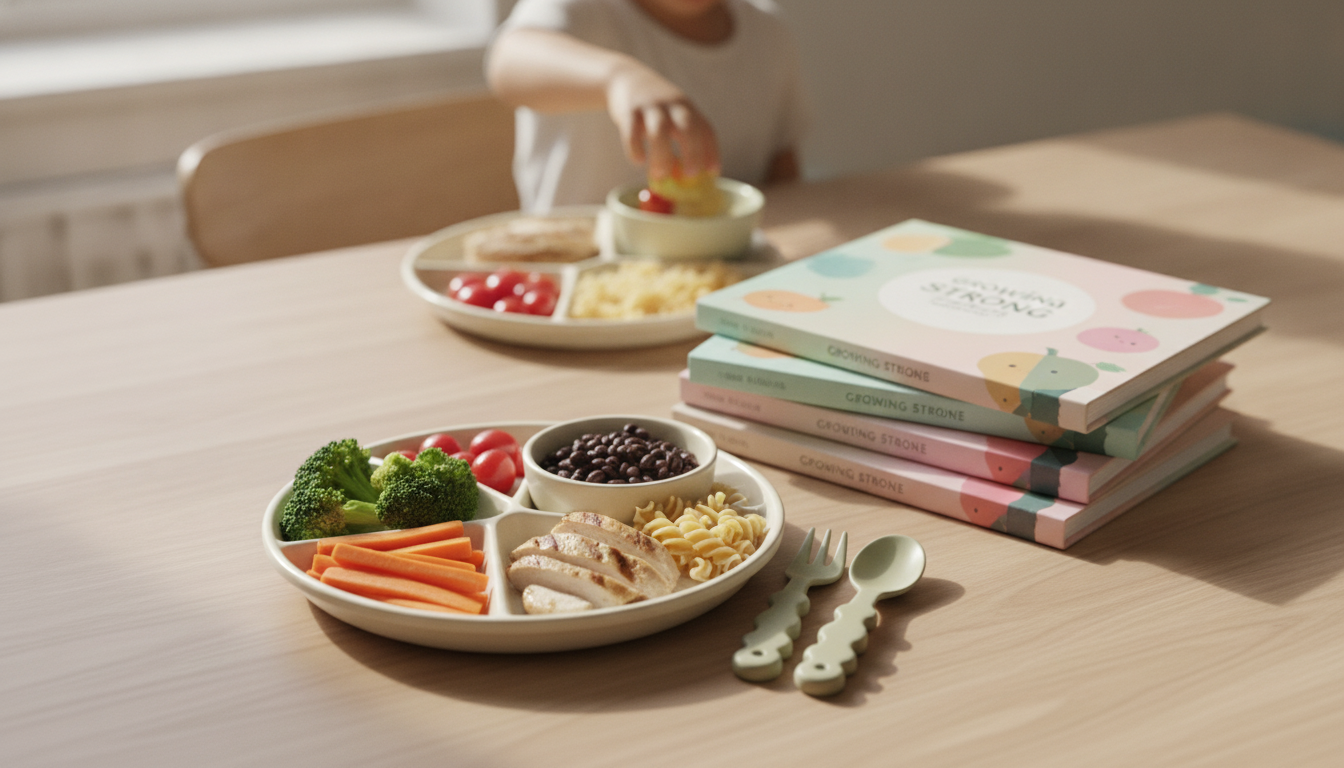
A balanced kids meal doesn’t need perfect portions or a spotless plate. A calmer goal is a repeatable pattern: include a protein, a fiber-rich carbohydrate, a fruit or vegetable, and a healthy fat most of the time. If one meal is lighter on veggies, it can show up at snack or dinner—overall balance across the day matters more than “winning” a single meal.
- Use a plate-and-routine approach: protein + fiber-rich carb + produce + healthy fat most meals.
- Stay flexible: aim for variety over the day (and over the week), not perfection bite-by-bite.
- Offer, don’t pressure: repeated exposure helps kids accept new foods over time.
- Pair “safe foods” with a “learning food”: keep two familiar items and add one small new option.
- Hydration counts: prioritize water and milk when appropriate; limit sugary drinks.
For a simple visual guide to balanced plates, MyPlate.gov (USDA) can be a helpful reference for families.
The growth-supporting building blocks: protein, fiber, fats, and micronutrients
Kids need steady fuel for learning, play, and growth. Instead of focusing on “good” or “bad” foods, focus on the building blocks that keep them satisfied and supported.
- Protein: supports growth and satiety. Rotate eggs, Greek yogurt, beans, chicken, tofu, fish (age-appropriate), and nut/seed butters (allergy-aware).
- Fiber-rich carbs: oats, whole-grain bread, brown rice, quinoa, potatoes, beans, and fruit can help steady energy and support digestion.
- Healthy fats: avocado, olive oil, nut/seed butters, and cheese support brain development and help meals feel satisfying.
- Micronutrients to keep in view: calcium/vitamin D (bones), iron (energy and development), zinc (immune support), potassium (muscle function).
When questions come up about kid nutrition basics and age-related needs, HealthyChildren.org (American Academy of Pediatrics) and the CDC nutrition resources are reliable starting points.
Easy “add-ons” can upgrade everyday meals without extra cooking: stir berries into yogurt, sprinkle chia/flax into oatmeal, blend spinach into pasta sauce, add beans to tacos, or drizzle olive oil and lemon over vegetables.
A plug-and-play method for planning: the 3–2–1 day structure
When schedules get tight, a simple structure beats a complicated meal plan. Try the 3–2–1 rhythm to reduce decision fatigue and make grocery shopping easier.
- 3 meals: breakfast, lunch, dinner—each anchored by a protein and a produce item.
- 2 snacks: pair produce with protein or fat to help avoid energy crashes.
- 1 family favorite daily: include one predictable item to reduce picky-eating friction.
Balanced meal ideas kids actually eat (mix-and-match table)
| Meal time | Protein | Fiber-rich carb | Fruit/vegetable | Healthy fat / add-on |
|---|---|---|---|---|
| Breakfast | Greek yogurt | Oats or granola (lower sugar) | Berries or banana | Chia seeds or nut butter swirl |
| Breakfast | Scrambled eggs | Whole-grain toast | Sliced tomatoes or spinach in eggs | Avocado slices |
| Lunch | Turkey or hummus | Whole-grain wrap | Cucumber + bell pepper sticks | Olive oil drizzle or cheese |
| Lunch | Beans + shredded cheese | Brown rice | Corn + salsa | Guacamole |
| Dinner | Baked salmon or tofu | Roasted potatoes | Broccoli or green beans | Olive oil + lemon |
| Dinner | Chicken thighs or lentils | Whole-wheat pasta | Marinara with blended veggies | Parmesan or pesto |
| Snack | Cottage cheese | Whole-grain crackers | Grapes or berries | Sunflower seeds (age-appropriate) |
| Snack | Nut/seed butter (allergy-aware) | Apple slices | — | Cinnamon sprinkle |
Making picky eating easier: structure, exposure, and autonomy
Lunchbox wins: balanced, safe, and quick to pack
Using the Balanced Meals Bundle to simplify healthy kids meals
If meal planning feels like a constant reset, a bundled guide format can make consistency easier. Growing Strong with the Balanced Meals Bundle: 5-in-1 Guide to Healthy Kids Meals is designed to support repeatable patterns—meal structure, snack pairings, and quick swaps—so decisions get faster over time.
Environment and mindset help too. Creating simple “zones” (snack bin, lunch-packing shelf, prep tools in one spot) can reduce weekday friction; From Open Rooms to Intentional Zones Bundle – 10-in-1 Guide for Multi-Functional Living Spaces can support that kind of home setup. And if mealtimes feel emotionally draining, a quick reset routine can help parents stay steady and consistent; Your Bright Mindset Boost Checklist: 3 Simple Steps to Think Positive Every Day is a simple tool to keep momentum on busy weeks.
FAQ
What is a balanced meal for a child?
A practical balanced meal includes a protein, a fiber-rich carbohydrate, a fruit or vegetable, and a healthy fat, with water (and milk when appropriate). Portions vary by age and appetite, and overall balance across the day matters more than perfection at each meal.
How can healthy meals be made quickly on busy school nights?
Batch-cook one staple (like rice, chicken, lentils, or sheet-pan veggies) and build quick plates from mix-and-match components. Keep freezer and pantry backups on hand, and repeat a small rotation of kid-approved meals while adding new foods in tiny, low-pressure ways.
What are healthy snacks that keep kids full longer?
Snacks last longer when produce is paired with protein or fat, such as apple with nut/seed butter, yogurt with fruit, hummus with veggies, or cheese with whole-grain crackers. Limiting sugary drinks and sweets can also help prevent energy spikes and crashes.















Leave a comment