10-Step Gua Sha Flow Ritual: Sculpt, De-Puff, Calm
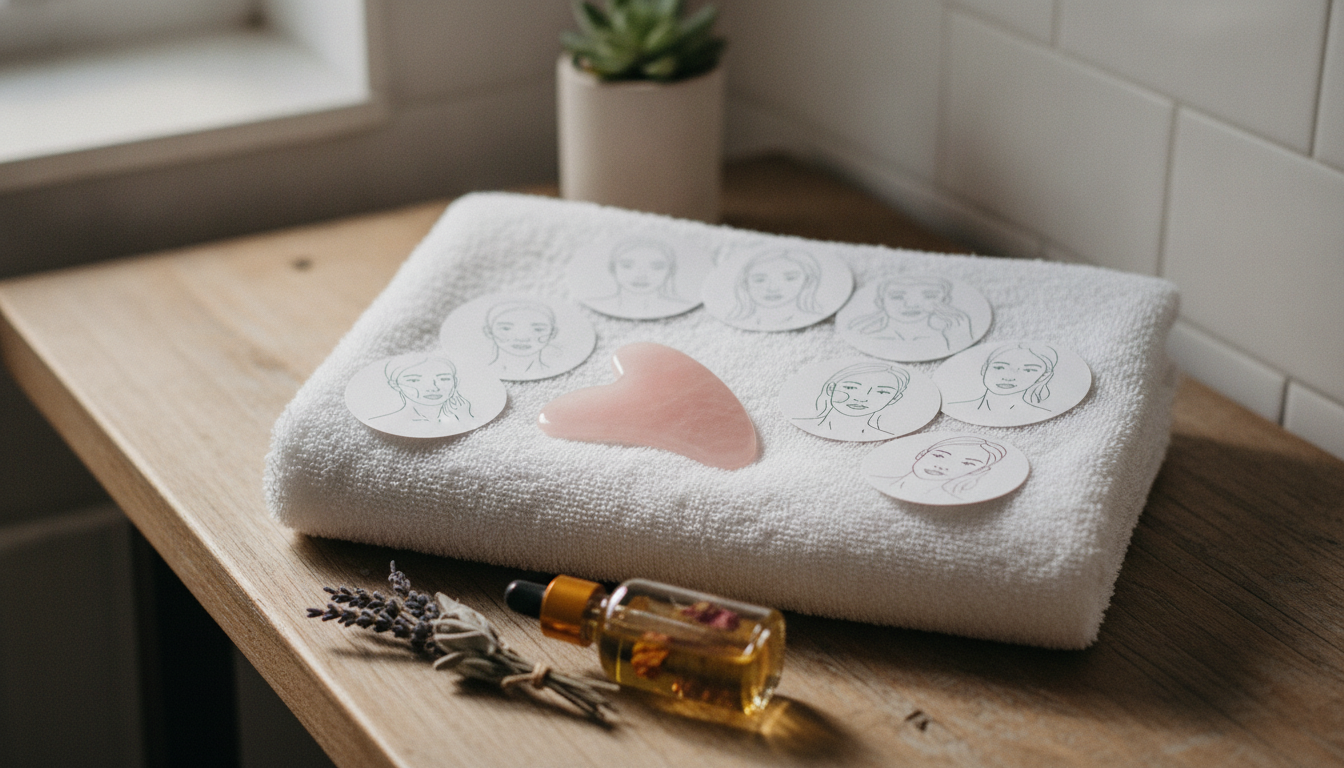
Gua Sha Flow Ritual Bundle: A 10‑Part Digital Routine for Sculpting, Lymphatic Drainage, and Calm
A consistent gua sha practice can feel both results-driven and restorative when the steps are clear, paced, and easy to repeat. This digital bundle is designed to guide a complete flow—prep, technique, and aftercare—so the routine supports facial sculpting, gentle lymphatic drainage, and a calmer nervous system rhythm.
What the 10‑in‑1 digital bundle is designed to do
A gua sha routine works best when it’s structured: you know where to start, how to move, and when to stop. The 10‑part format helps turn “I’ll do it when I remember” into a repeatable ritual that feels intuitive over time.
- Provides a structured, repeatable ritual that removes guesswork from daily or weekly gua sha sessions
- Balances three goals in one flow: visible sculpting, puffiness support through gentle drainage strokes, and a calming reset
- Fits different schedules with quick and extended options while keeping the same technique sequence
- Works alongside a facial oil or serum that gives slip to reduce tugging
For general background on gua sha and how it’s commonly used, see Cleveland Clinic: What Is Gua Sha?.
What’s included (and how each piece fits the routine)
The biggest difference between a random set of strokes and a satisfying “flow” is sequencing. This bundle is built around an order that prioritizes comfort (especially around delicate areas) and makes the technique easier to remember.
- Step-by-step guidance that sequences neck, jaw, cheeks, under-eye, brow, and forehead in a logical order
- Technique cues that focus on angle, pressure, and stroke direction—especially important for lymph-focused strokes
- A calming cadence: slower passes, longer exhales, and brief pauses that turn the session into a downshift ritual
- Repeatable tracking or reference elements typical of a digital bundle (easy to revisit without re-learning each time)
Featured digital downloads
Pair a consistent routine with simple tools and reminders so it’s easy to keep going—especially on busy weeks.
- Gua Sha Flow Ritual Bundle – 10‑in‑1 Digital Download for a Complete gua sha routine, Sculpting, Lymphatic Drainage & Calm
- Eco‑Friendly Laundry Day Checklist | Sustainable Living Guide | Digital Download Printable for Green Home & Zero Waste Lifestyle
Routine at a glance: a complete flow (quick or extended)
A full session doesn’t have to be long to be effective. The key is keeping the same order each time so your hands (and nervous system) learn the rhythm. Start at the neck/collarbone area, then move upward—this helps the facial strokes feel more comfortable and “un-stuffy.”
- Start with the neck and collarbone area to support comfortable fluid movement before facial sculpting
- Use light-to-medium pressure; for lymphatic-style strokes, keep pressure very light and slow
- Hold the skin gently (an “anchor” hand) on areas prone to tugging, especially around the eyes and mouth
- Finish with soothing strokes and a short cool-down to reduce post-routine redness
Flow map for a complete session
| Phase | Area | Time | Pressure | Key cue |
|---|---|---|---|---|
| Prep | Oil/serum + breath | 1–2 min | None | Create slip; soften shoulders and jaw |
| Open | Neck + collarbone | 2–4 min | Very light | Slow downward-to-outward strokes; avoid pressing on throat |
| Sculpt | Jawline + chin | 2–4 min | Light–medium | Keep tool nearly flat; glide toward ear |
| Lift | Cheeks | 2–4 min | Light–medium | Move from nose/center outward; pause at ear area |
| De-puff | Under-eye | 1–2 min | Feather-light | Small, slow glides; never drag delicate skin |
| Smooth | Brow + forehead | 2–4 min | Light | Upward/outward strokes; soften expression |
| Close | Final calming passes | 1–2 min | Very light | Long exhale; slow, even rhythm |
Technique fundamentals that change results
Small technique shifts can make the difference between a soothing glide and skin that feels overworked. Aim for comfort first; visible “sculpting” is often the byproduct of consistency and smart pressure, not force.
- Angle: keep the tool mostly flat against the skin (around 10–30 degrees) for a smooth glide and less irritation
- Pressure: use lighter pressure for drainage-style strokes; reserve medium pressure for sculpting on sturdier areas like jaw and cheeks
- Pace: slower strokes tend to feel more calming and reduce the urge to overwork one area
- Consistency: shorter sessions done regularly often outperform occasional long sessions that leave the skin stressed
If your skin gets reactive easily, the American Academy of Dermatology’s guidance on gentle routines can be helpful for reducing irritation triggers: American Academy of Dermatology Association: Skin care basics.
Skin comfort, safety, and when to skip gua sha
Gua sha should feel pleasant—never sharp, hot, or “scraping.” When in doubt, reduce pressure, reduce passes, and prioritize slip. For broader safety considerations around massage-style techniques, see NCCIH: Massage Therapy (what you need to know).
Making it a calming ritual (not another task)
Download and use tips for a smooth experience
FAQ
How often should a full gua sha routine be done?
Many people do short sessions 3–5 times per week and longer sessions 1–3 times per week. Consistency matters more than length, and lighter pressure usually allows more frequent practice without stressing the skin.
Does gua sha help with puffiness and lymphatic drainage?
Gentle, slow strokes may temporarily reduce the look of puffiness by encouraging comfortable fluid movement, especially when the routine starts at the neck/collarbone area. Keep pressure very light and avoid “digging in,” since lymph-focused strokes should feel soft and calming.
What should be used with gua sha to avoid irritation?
Use a facial oil or serum that provides plenty of slip, and avoid dry scraping. If skin is sensitive, use lighter pressure, fewer passes, and patch test any new skincare products you plan to use with the routine.















Leave a comment