Auto-Empty Robot Vacuum: 5000Pa Suction for Daily Messes
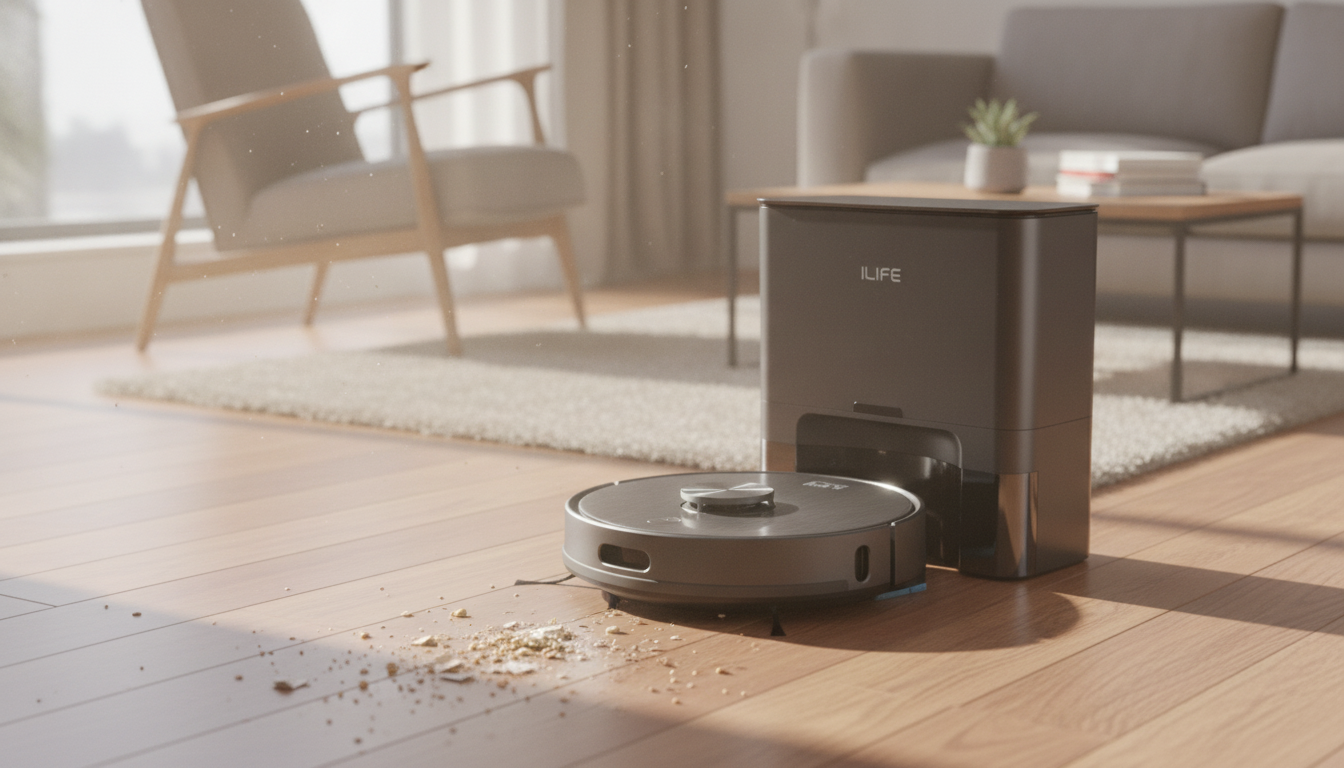
Smarter Floor Care with an Auto-Empty Dock and 5000Pa Suction
A hands-off cleaning routine comes down to two things: strong pickup and fewer stops to empty the bin. This smart robot vacuum pairs a high-suction system with an auto-empty dock to keep floors consistently clean across daily messes like dust, crumbs, and pet hair—while reducing how often manual maintenance is needed.
For homes that see constant traffic (kids, pets, or just busy schedules), the goal isn’t perfection after every run—it’s a cleaner baseline every day, so deeper weekly vacuuming feels optional rather than urgent.
What the auto-empty dock changes day to day
An auto-empty dock is less about a flashy feature and more about removing the most frequent “chore moment” of robot ownership: emptying a small onboard dustbin after nearly every run.
- Reduces how often the onboard dustbin needs to be emptied by transferring debris into the dock after cleaning runs.
- Helps maintain more consistent suction performance during multi-room sessions because the onboard bin is less likely to overfill.
- Supports a more set-and-forget routine for busy households, especially in high-shedding pet seasons.
- Keeps debris handling more contained, which can be helpful for allergy-sensitive environments when paired with proper filtration and regular dock upkeep.
For anyone managing indoor dust, it also helps to remember that cleaning is only one part of the indoor air puzzle. The EPA’s guidance on indoor air quality highlights how everyday particles can build up—consistent removal from floors can support a fresher-feeling home when combined with good ventilation and filter habits.
Cleaning power: what 5000Pa suction is useful for
Suction numbers don’t tell the whole story (brush design, airflow path, and sealing matter), but higher suction generally improves pickup across common household messes—especially on hard floors and area rugs where grit and fine dust can linger.
- Improved pickup on hard floors: fine dust along baseboards, grit in entryways, and kitchen crumbs tend to lift more easily with higher suction.
- Better carpet agitation: stronger suction can help pull embedded debris from low- to medium-pile carpets (results still depend on brush design and carpet density).
- Pet hair management: higher suction helps capture hair before it tangles, though regular brush cleaning remains important for long-haired pets and rugs.
- Spot cleaning bursts: higher suction modes are useful for concentrated areas like under dining tables and around litter boxes.
Quick feature guide
| Feature | What it does | Why it matters at home |
|---|---|---|
| 5000Pa suction power | Provides strong airflow for lifting dust and debris | Helps with pet hair, crumbs, and tracked-in grit |
| Auto-empty dock | Transfers debris from the robot into the dock | Fewer manual emptying trips and steadier performance on longer runs |
| Smart navigation (app-assisted) | Guides where and when the robot cleans | More consistent coverage and easier scheduling |
| Multi-surface cleaning | Transitions between hard floors and carpets | Useful for mixed flooring layouts in apartments and homes |
For a broader, independent view of what tends to matter most in robot vacuum performance, Consumer Reports maintains an overview of robot vacuums, including how real-world factors can impact results beyond a single spec.
Navigation and control that keep routines predictable
Strong suction is only half the experience. The other half is whether the vacuum reliably runs when scheduled, covers the intended areas, and avoids the trouble spots that cause rescues mid-clean.
- Scheduling: set daily or weekly runs to keep dust from building up, especially in high-traffic rooms.
- Room targeting: focus on entryways, kitchens, and living areas without committing to a full-home clean every time.
- No-go boundaries and avoidance behavior: helps reduce snagging risks around cords, pet bowls, and cluttered corners (exact capabilities vary by model settings).
- App prompts and status checks: monitoring run completion, errors, and maintenance reminders can reduce surprise interruptions.
A practical routine many households like: schedule a quick clean in the kitchen after breakfast, then a living-room pass in the afternoon—short runs that keep debris from spreading.
Performance by floor type and common messes
Every surface has a different “mess personality.” Matching suction mode and cleaning frequency to the floor type is often more effective than running one long, high-power clean occasionally.
Setup tips for smoother auto-empty and fewer interruptions
Maintenance that keeps suction and auto-empty working well
Who this robot vacuum fits best
Recommended picks from our store
- Smart Robot Vacuum Cleaner with Auto Empty Dock & 5000Pa Suction Power ($528.01)
- Eco-Friendly Laundry Day Checklist | Sustainable Living Guide (Digital Download) ($4.99)
- Propane Tankless Water Heater, 7.4 GPM, Indoor Use, Instant Hot Water ($622.80)
FAQ
How often does the auto-empty dock need to be emptied?
It depends on home size, pets, and how often the robot runs—many households land anywhere from several days to a few weeks. During high-shedding seasons, expect to empty it more often, and check any dock indicator (if available) while keeping filters clear.
Is 5000Pa suction enough for pet hair on carpets?
High suction helps, but results also depend on the brush/roller design and carpet pile height. Use higher suction on rugs, run more frequent cycles, and clear hair from the brush to prevent tangles that can reduce pickup.
What should be done if the robot misses spots or gets stuck often?
Optimize dock placement, reduce clutter and loose cables, and clean sensors and wheels so navigation stays accurate. Setting no-go zones and doing a few guided runs to identify problem areas can help, and it’s also worth checking for full bins or blocked airflow.













Leave a comment