Backyard Wooden Playhouse: Door, Windows & Planters
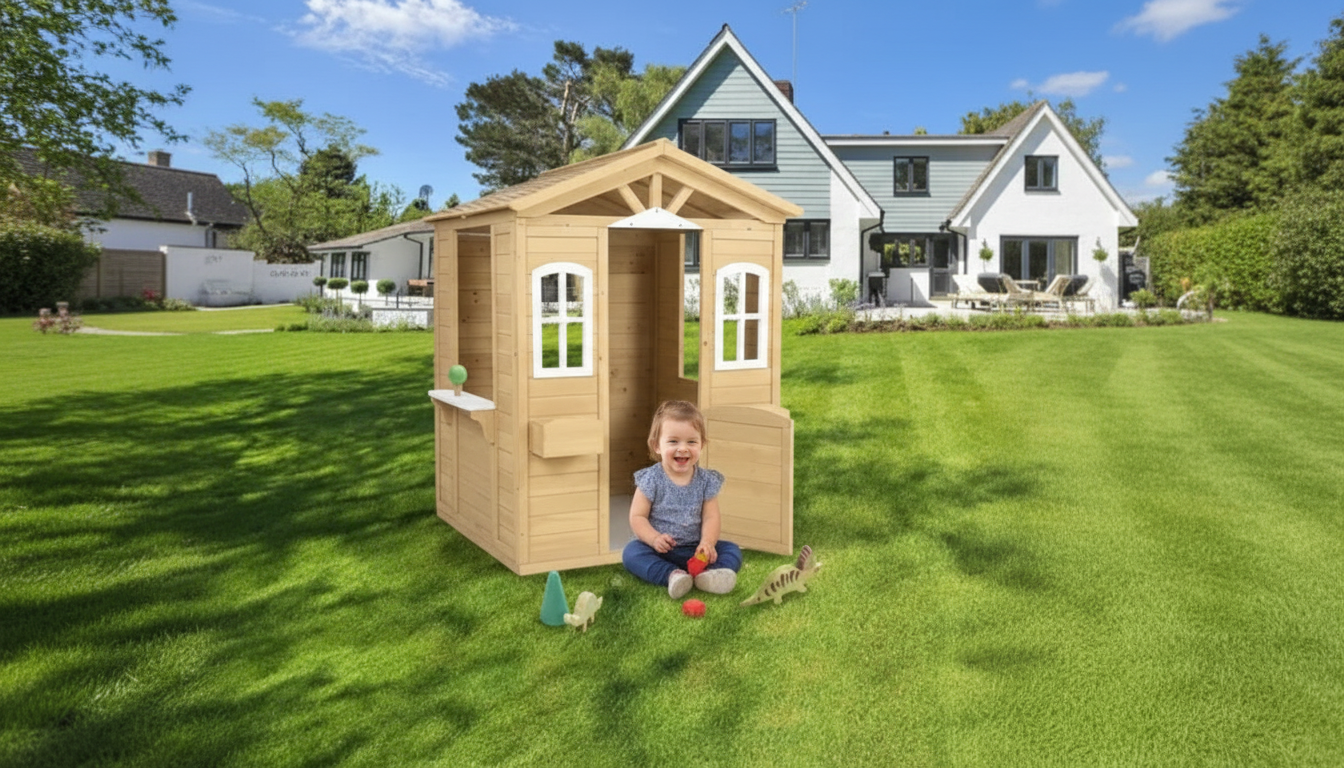
Outdoor Wooden Playhouse for Kids with Door, Windows, and Planter Holders
A wooden backyard playhouse can turn everyday outdoor time into imaginative play—opening and closing the door, peeking through windows, and “planting” pretend flowers in built-in holders. The right layout makes it easy for kids to role-play, move their bodies, and enjoy fresh air while staying within comfortable view of caregivers.
What Makes This Playhouse Fun Day After Day
Interactive details are what keep a playhouse in steady rotation after the first-week excitement fades. A working-style door encourages realistic routines—“arriving home,” hosting stuffed-animal guests, or running a little store. Windows add a social, back-and-forth element: kids can chat with friends outside, play “restaurant” through a service window, or turn it into a peekaboo hideout.
Planter holders bring a garden theme that feels “grown-up” to kids. They can display faux flowers, seasonal décor, or lightweight nature finds like pinecones and leaves. Wood construction also tends to blend into patios, lawns, and landscaping more naturally than many plastic options, which helps the play area feel like a real part of the yard.
Where It Fits Best in a Yard or Patio
Placement affects both safety and how often the playhouse gets used. Pick a flat spot with clear sightlines from a kitchen window, deck seating, or patio chairs. Leave space on all sides so kids can open the door fully and move around without bumping into fences, shrubs, or furniture.
Keep the playhouse away from obvious hazards like grills, fire pits, pools, steep slopes, and hard-edged stone borders. If you can, choose partial shade to reduce heat buildup inside on bright afternoons. Also avoid low-lying areas where water collects; good drainage helps wood stay stable and cuts down on swelling and early wear.
A Quick Feature Checklist Before Buying
Before ordering, focus on the touchpoints kids will use most—door edges, window frames, and any hardware. Smooth surfaces and rounded corners help prevent splinters and scrapes. Sturdy hinges and a door that swings with safe clearance reduce pinched fingers during busy play.
| Feature | Why it matters | What to confirm |
|---|---|---|
| Door | Role-play and realistic play patterns | Opens/closes smoothly; no sharp latch edges; hinge stability |
| Windows | Interaction, light, and ventilation | Good visibility; no large gaps that invite climbing |
| Planter holders | Creative décor and garden-style play | Secure mounting; safe height; not load-bearing steps |
| Wood finish | Durability outdoors | Sealed/painted surfaces or a plan to seal after assembly |
| Placement base | Stability and longevity | Level ground; optional pavers/mats; moisture control underneath |
For families who like to align play spaces with recognized safety guidance, the CPSC Playground Safety Handbook is a helpful reference for general outdoor play considerations, and organizations like the American Academy of Pediatrics (HealthyChildren.org) highlight how play supports healthy development.
Assembly and Setup Tips for a Smoother Build
A calmer build starts before the first screw goes in. Sort and count parts, and label panels so you’re not backtracking mid-assembly. Build on a flat surface like a patio or driveway, then move the playhouse into its final position once it’s stable enough to lift and shift safely.
Pre-drilling (when appropriate) can reduce splitting near edges, especially in dry weather. Tighten hardware evenly and re-check after about 48 hours—wood can settle slightly as it acclimates outdoors. If the manufacturer recommends anchoring, take that step seriously in windy regions. Finish the setup with a kid-friendly base such as outdoor play mats or rubber pavers; for some yards, compacted gravel inside a border can help with drainage and leveling.
Safety and Supervision Basics for Outdoor Playhouses
After storms or big temperature changes, do a fast scan for wobble, loose screws, or new splinters. Toddlers may need closer supervision around thresholds and door edges until they’re confident with in-and-out traffic. If you’re curious about broader equipment standards, ASTM’s standards overview offers context on how safety expectations are often defined for play environments.
Simple Maintenance to Keep Wood Looking Good
Play Ideas That Make the Door, Windows, and Planters the Main Event
Product Spotlight: Outdoor Wooden Playhouse with Door, Windows, and Planter Holders
For families wanting a classic backyard look with interactive features kids actually use, Outdoor Wooden Playhouse for Kids with Door, Windows, and Planter Holders delivers the basics that power pretend play: a functional-feeling door, conversational windows, and planter holders that are easy to personalize.
For a simple “ready-to-go” setup, consider pairing it with an outdoor mat and a small bin for play accessories (menus, play food, garden props, and dress-up items). If you enjoy planning household projects and routines, a quick downloadable checklist can help keep setup tasks organized: The Ultimate Business Growth Hack Checklist: Scale Smarter, Not Harder and Your Bright Mindset Boost Checklist: 3 Simple Steps to Think Positive Every Day.
| Item | Price | Availability |
|---|---|---|
| Outdoor Wooden Playhouse for Kids with Door, Windows, and Planter Holders | $343.67 | In stock |
FAQ
What should go in the planter holders on a kids’ playhouse?
Lightweight, non-messy items work best—faux flowers, silk greenery, or seasonal décor. If using real plants, use a liner or removable pot and drain it away from the wood so wet soil isn’t resting against the surface.
How can a wooden outdoor playhouse be made more weather-resistant?
Apply a quality exterior sealant or paint, keep the base out of standing water, and do quick touch-ups when you notice peeling or small cracks. A breathable cover during harsh seasons can help, as long as airflow is maintained to prevent trapped moisture.
Where is the safest place to set up a backyard playhouse?
Choose level ground with clear visibility from where adults typically sit or look out, and leave clearance around all sides for safe door and window use. Keep it away from hazards like pools, grills, fire pits, steep slopes, and hard landscape edges.














Leave a comment