Best Interactive Cat Toys to Keep Indoor Cats Busy
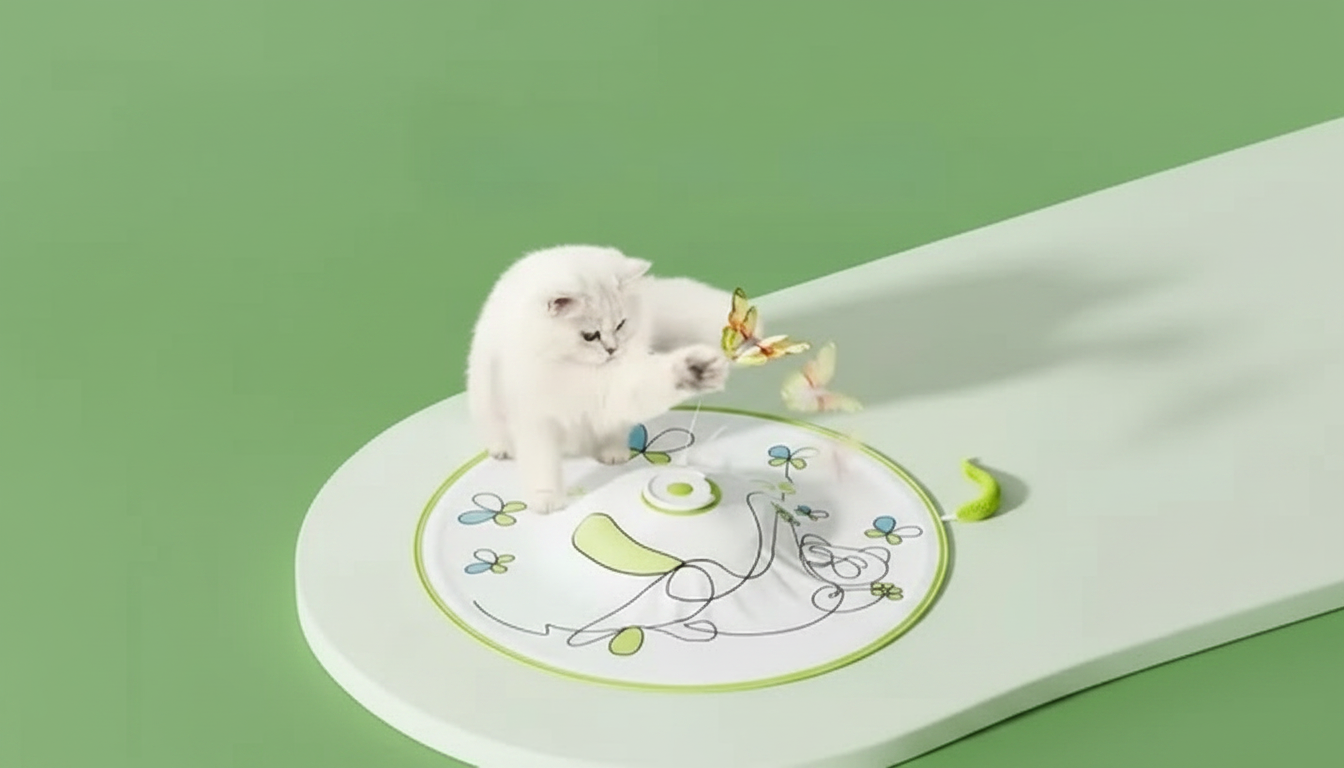
Interactive Cat Toys That Keep Indoor Cats Active and Engaged
Indoor cats often need more than a quick wand session to feel satisfied—especially during long workdays or late-night “zoomie” hours. Interactive toys add movement, variety, and problem-solving to daily play, helping turn spare energy into healthy activity. The goal isn’t nonstop stimulation; it’s giving your cat repeated opportunities to stalk, chase, swat, and “win” in a way that fits your home and your schedule.
Why interactive play matters for indoor cats
Interactive play supports a cat’s body and brain, especially when outdoor roaming isn’t part of the routine. The right toy can turn small pockets of time into meaningful enrichment.
- Supports healthy weight by encouraging short bursts of movement throughout the day
- Reduces boredom-related behaviors like excessive meowing, scratching, and counter-surfing
- Provides mental stimulation through unpredictability and “hunt” patterns
- Can help multi-cat homes by offering an outlet for energy (while still supervising shared play)
For deeper guidance on feline enrichment and behavior, see resources from the Cornell Feline Health Center and the American Association of Feline Practitioners (AAFP).
What makes a toy truly interactive
“Interactive” isn’t just a buzzword—some toys genuinely invite decision-making and movement, while others are basically decor. Look for features that keep your cat engaged without creating risk or frustration.
- Unpredictable motion: changes in speed, direction, or pauses that mimic prey
- Self-play potential: keeps interest when humans are busy (without replacing daily bonded play)
- Safe materials and construction: no easily shredded parts, sharp edges, or long strings left unattended
- Right level of challenge: engaging without causing frustration
- Easy cleanup and storage: especially important for small apartments and shared spaces
As a baseline, choose toys that are sturdy, easy to inspect, and designed to keep small components enclosed whenever possible.
Pick the right style for your cat’s play personality
Cats play differently. Matching the toy to your cat’s “hunt style” helps prevent the common cycle of intense interest on day one, followed by total indifference.
- Stalk-and-pounce cats: toys that dart, hide, or pop out from under edges
- Chasers: rolling or skittering motion across open floor areas
- Swatters: toys that respond to taps and pawing with movement
- Curious problem-solvers: puzzle-style play with rewards or rotating challenges
- Shy or cautious cats: quieter motion and slower start modes to build confidence
Quick guide to interactive toy styles
| Toy style | Best for | Typical setup | Helpful tip |
|---|---|---|---|
| Automatic moving toy | Cats that enjoy chasing unpredictable motion | Clear floor space; supervise first sessions | Start with short sessions to prevent overstimulation |
| Track/ball system | Cats that like batting and repeating patterns | Stays in one spot; good for small rooms | Rotate location weekly to refresh interest |
| Puzzle feeder toy | Food-motivated cats and quick learners | Use measured treats or kibble | Begin easy; increase difficulty gradually |
| Motion-activated toy | Cats that need encouragement to initiate play | Place near favorite routes | Use during naturally active times (dawn/dusk) |
Safety and supervision checklist
Interactive toys can be incredibly helpful, but safety comes first—especially with batteries, fast-moving parts, and chew-prone cats.
- Inspect before each use: loose seams, cracked plastic, exposed batteries, or frayed attachments
- Avoid leaving string, ribbon, or feathers out unsupervised if the cat chews or swallows pieces
- Choose the right size: parts should be too large to swallow
- Set play boundaries: keep toys away from stairs, balconies, candles, and cords
- Watch for stress signals: tail lashing, hiding, ears pinned back, or sudden aggression—pause and reset with calmer play
If you’re building a broader enrichment routine, the ASPCA’s cat care guidance is a useful reference for balancing play, environment, and daily needs.
Making interactive play a habit (without overdoing it)
The best results come from consistency and variety. Think in “mini hunts” rather than marathon sessions—especially for kittens and high-drive adults that rev up quickly.
- Use short “hunt cycles”: 5–10 minutes, a brief pause, then another round
- End with a win: let the cat catch the toy or offer a small treat to reduce frustration
- Rotate toys: keep 1–2 available and store the rest to maintain novelty
- Support calm-down time: provide water, a cozy spot, and quiet after intense play
- For nighttime energy: schedule the most active session in the evening, then offer a small meal to encourage rest
If your cat gets overstimulated, lower the intensity (slower settings, shorter cycles, quieter toys) and reintroduce higher-energy play gradually.
A simple option for self-play and daily enrichment
- Interactive Cat Toy — a convenient self-play option to help keep indoor cats busy during the day when you’re working or away.
- From Open Rooms to Intentional Zones Bundle – 10-in-1 Guide for Multi-Functional Living Spaces — a practical way to plan “cat zones” (window perches, play corners, feeding stations) that make interactive toys easier to use in real homes.
FAQ
Are interactive cat toys safe to leave out all day?
It depends on the toy design and your cat’s habits. Many enclosed, hard-plastic toys are fine to leave out, but toys with strings, feathers, or small detachable parts are safer when put away between supervised sessions.
How often should a cat use an interactive toy?
Most cats do best with multiple short sessions rather than one long session. Aim for about 10–20 minutes total of active play across the day, adjusting for age, health, and energy level.
What if my cat loses interest quickly?
Rotate toys, move play to a new location, and time sessions for when your cat is naturally most active (often dawn and dusk). Using easier settings first—and ending with a “catch” or tiny reward—can also help sustain interest.













Leave a comment