Outdoor Fabric Care: Clean, Protect & Stop Mildew
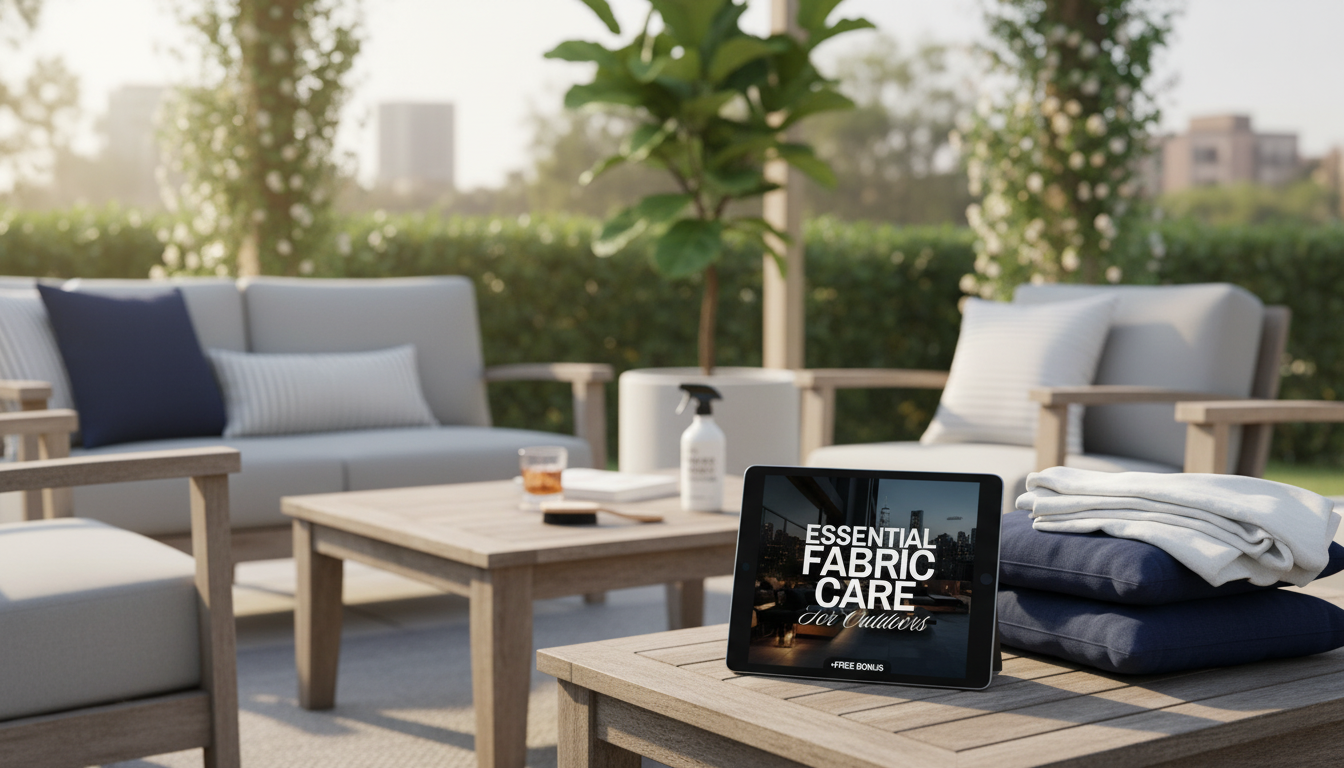
Essential Fabric Care for Outdoors: Cleaning, Protecting, and Maintaining Outdoor Fabrics
Outdoor fabrics take a daily beating from UV rays, surprise rain, pollen, bird droppings, sunscreen, and regular wear. The good news: most “premature aging” is really a mix of trapped moisture, ground-in grit, and overly harsh cleaning—not time. With a simple rhythm (quick upkeep, occasional deep cleaning, and timely re-protection), patio cushions, umbrellas, awnings, covers, and outdoor rugs can stay brighter, smell fresher, and last longer.
What Outdoor Fabrics Need (and What Ruins Them)
Outdoor textiles are designed to resist weather, but they’re not invincible. The biggest enemies are UV exposure, moisture that can’t escape, soil abrasion (dust and sand grinding fibers), and chemicals that strip color or coatings. Common materials include solution-dyed acrylic, polyester, olefin/polypropylene, vinyl-coated fabrics, canvas, and blended upholstery textiles.
Avoid the fastest ways to shorten fabric life: high-heat drying, stiff scrubbing that fuzzes fibers, strong chlorine mixes on fabrics that aren’t rated for it, and storing anything even slightly damp inside sealed bins or tightly wrapped covers.
When you need a more detailed, print-friendly routine for different items around the patio and campsite, the Essential Fabric Care for Outdoors eBook (digital download) is a quick-reference guide you can keep on your phone.
Outdoor Fabric Quick-Care Cheat Sheet
| Fabric / Item | Routine Cleaning | Deep Cleaning | Protection & Drying Notes |
|---|---|---|---|
| Solution-dyed acrylic (patio cushions, umbrellas) | Brush off dust; rinse with clean water | Mild soap solution; gentle scrub; thorough rinse | Air dry fully; re-treat with fabric guard if beading stops |
| Polyester (pillows, covers, outdoor rugs) | Shake/brush; spot clean spills fast | Low-residue detergent; avoid high heat | Dry completely to prevent mildew; avoid stiff bristle brushes |
| Olefin / polypropylene (outdoor rugs, some cushions) | Vacuum/brush; hose rinse | Mild cleaner; rinse well to reduce residue | Great moisture resistance, but still needs full drying in storage |
| Vinyl / coated fabrics (boat seats, some covers) | Wipe with mild soap and water | Non-abrasive cleaner; avoid solvents unless manufacturer allows | Conditioner/protectant made for vinyl; keep out of direct heat |
| Canvas / cotton blends (tents, some awnings) | Dry brush; spot clean | Fabric-safe cleaner; avoid overwetting seams | Dry in shade with airflow; re-waterproof as needed |
Everyday Care: The 10-Minute Routine That Prevents Most Damage
Small habits beat occasional “rescue cleaning.” Start with dry removal: brush or vacuum first, then add water. Grit works like sandpaper once it’s wet, and it’s a major reason fabrics look worn long before they should.
- Brush first, wash second: remove loose soil from cushions, umbrella canopies, and rug surfaces before rinsing.
- Rinse top to bottom: especially on large surfaces like awnings and umbrellas to carry debris away and reduce streaking.
- Spot clean fast: blot spills (don’t rub), then lift residue with mild soap and lukewarm water.
- Use low-residue cleaners: soap left behind attracts new dirt and can dull water repellency over time.
- Dry with airflow: unzip covers, stand cushions on edge, and avoid covering furniture until everything is truly dry.
- Outdoor rugs: vacuum often, lift to air the backing, and rotate periodically to even out sun fading.
For a low-waste approach to laundry and rinsing habits that also helps outdoor textiles, the Eco-Friendly Laundry Day Checklist (digital printable) can help standardize what to do (and what to skip) so fabrics stay cleaner longer.
Deep Cleaning Without Stripping Color or Coatings
Deep cleaning is where many outdoor fabrics get accidentally damaged. Before you start, confirm the fabric type, read the care tag if it exists, and test any cleaner on a hidden spot for color transfer or texture change.
A gentle, repeatable method
- Mix: mild soap in cool-to-lukewarm water.
- Work in sections: lightly agitate with a soft brush or microfiber cloth; don’t grind the fibers.
- Rinse until clear: keep rinsing until the water runs clean and you no longer feel slickness from soap.
Machine-washable covers
Pressure washer caution
Mildew: clean the cause, not just the spot
Mildew thrives where shade and moisture persist. Clean with mild soap, rinse thoroughly, then dry completely with strong airflow and sun when the fabric can tolerate it. For broader mold cleanup and prevention principles, follow guidance from CDC mold cleanup resources and the EPA mold resources.
Stain and Odor Playbook (Food, Sunscreen, Sap, Bird Droppings)
If you’re caring for premium canopies and cushion fabrics, manufacturer instructions can be especially helpful; the Sunbrella Fabric Care and Cleaning Guide is a solid example of material-specific do’s and don’ts.
Protecting Outdoor Fabrics: Water Repellency, UV Defense, and Storage
Season-by-Season Checklist (Patio, Camping Gear, Boat and RV Textiles)
When to Repair vs Replace (and How to Extend Lifespan)
FAQ
Can outdoor cushion covers go in the washing machine?
Check the care tag first. If machine washing is allowed, zip covers closed, use a gentle cycle with cold or warm water and mild detergent, skip fabric softener, and air dry; foam inserts are usually cleaned separately and must be dried thoroughly.
How do you remove mildew from outdoor fabric without damaging it?
Identify the fabric and follow any manufacturer guidance, then start by brushing off growth and rinsing before using a mild soap wash. Avoid strong bleach unless the material specifically allows it, and always rinse well and dry completely with good airflow to reduce repeat mildew.
How often should outdoor fabric be re-treated with a water repellent or protectant?
Re-treat when water no longer beads, the fabric wets out quickly, or stains start setting more easily. For many setups, that’s about once or twice a year (often seasonally), though harsh sun, heavy rain, and frequent cleaning can shorten the interval.
















Leave a comment