Timeless Watch Style: Fit, Straps & 1–3 Watch Wardrobes
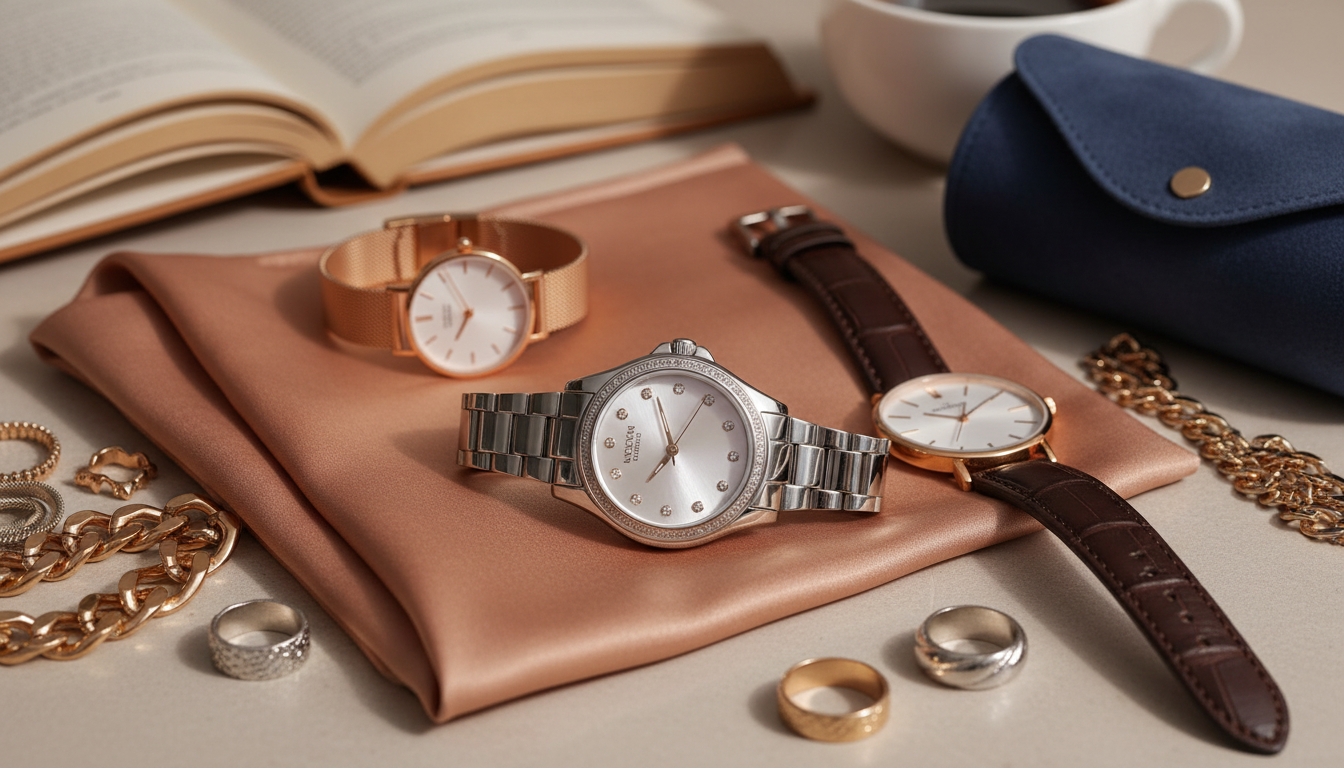
Time Well Styled: A Modern Guide to Watch Looks That Last
A watch can be the most repeated piece in a wardrobe—seen daily, worn hard, and judged quietly. The most enduring looks come from a few smart choices: a case shape that suits the wrist, proportions that match the outfit, and straps that adapt across seasons and settings. This guide breaks down versatile watch styles, how to build a small collection that covers real life, and simple rules for pairing watches with everything from denim to tailoring. For more guidance, see How to Write a Paper in Scientific Journal Style and Format.
What Makes a Watch Look Timeless
“Timeless” isn’t about chasing a logo; it’s about choosing a design that stays balanced when trends shift. The details that age well tend to be the same details that look confident on day one. For further reading, see Dress is a Fundamental Component of Person Perception – PMC.
- Proportion first: case diameter, thickness, and lug-to-lug length matter more than brand names for a balanced look.
- Legibility and restraint: clean dials, minimal clutter, and consistent typography age better than novelty designs.
- Materials that patina well: brushed steel, subdued finishes, and quality leather tend to look better with wear.
- Design continuity: watches that clearly belong to a style family (dress, field, diver) pair more easily and feel intentional.
Core Watch Styles and When They Work Best
Most wardrobes don’t need endless categories—just a few dependable archetypes that cover different levels of formality and activity.
- Dress watch: thin profile, simple dial; ideal with suits, knits, and elevated minimal outfits.
- Field watch: highly legible, practical; works with casual layers, denim, and weekend uniforms.
- Diver/sport watch: bolder presence; pairs with casual-to-smart casual, outerwear, and travel looks.
- Chronograph: adds visual complexity; best when the outfit is simple and needs a focal point.
- Everyday minimalist: clean dial and neutral tones; blends with almost any wardrobe without competing.
Style-to-Occasion Pairing Guide
| Watch style | Best outfits | Avoid when | Quick styling tip |
|---|---|---|---|
| Dress | Suiting, monochrome outfits, fine-gauge knits | Very sporty streetwear | Keep the strap slim and the case thin under cuffs |
| Field | Denim, chore jackets, flannels, workwear | Black-tie or formal events | Choose matte dials and brushed cases for a rugged finish |
| Diver/Sport | T-shirts, polos, casual blazers, travel fits | Ultra-formal tailoring | Balance a big case with a sturdier strap or bracelet |
| Chronograph | Simple tees, bomber jackets, modern casual | Busy patterns and heavy accessories | Let the watch be the main “detail” and simplify the rest |
| Minimalist/Everyday | Office casual, neutrals, capsule wardrobes | Outfits that need strong personality | Use strap changes to add character without changing the watch |
Fit and Proportion: The Details That Make Any Watch Look Better
Even a great design can look “off” if it sits awkwardly on the wrist. Dial style gets attention, but fit is what quietly signals refinement.
- Diameter and lug-to-lug: a shorter lug-to-lug length often wears better than a smaller diameter with long lugs.
- Thickness: slimmer watches slide under cuffs and look refined; thicker cases read sportier and more casual.
- Bracelet and strap width: matching strap width to the case keeps the watch from looking top-heavy.
- Wrist placement: wear just above the wrist bone to prevent the crown digging in and to keep the watch stable.
- Sizing bracelets: a well-sized bracelet should allow slight movement without spinning around the wrist.
Straps and Bracelets: The Fastest Way to Refresh a Look
Strap changes are the easiest way to make one watch feel like several—without forcing the rest of the outfit to “match” perfectly.
Building a Small Watch Collection That Covers Real Life
Helpful downloads (in stock)
- Time Well Styled: A Modern Guide to Watch Looks That Last – Watch Styles, Collection Tips & Style Guide
- The Ultimate Business Growth Hack Checklist: Scale Smarter, Not Harder | Digital Download for Entrepreneurs & Small Business Owners | Business Growth Hacks
- Your Bright Mindset Boost Checklist: 3 Simple Steps to Think Positive Every Day
Care and Longevity: Keeping Watches Looking Sharp
- Water resistance basics: understand ratings and avoid assuming “water-resistant” means swim-safe forever. Standards such as ISO 22810:2010 explain water-resistance expectations, but seals still age over time.
- Routine cleaning: wipe down after wear; rinse and dry metal bracelets when exposed to sweat or salt air.
- Leather care: keep leather straps dry; rotate straps to reduce cracking and odor buildup.
- Service mindset: mechanical watches need periodic servicing; quartz needs battery changes and gasket checks. For general watch-industry education, the Fédération de l’industrie horlogère suisse FH is a solid reference.
- Storage: keep watches away from strong magnets; store flat or in a watch roll to prevent scratches.
A Style-First Checklist for Choosing the Next Watch
FAQ
How many watches are enough for a versatile collection?
One to three watches covers most real life: a neutral everyday option, a dress-leaning piece for sharper moments, and a sport/travel watch for weekends and movement. Strap swaps can add variety without turning your collection into duplicates.
What watch size looks best on most wrists?
Fit is more about lug-to-lug length and thickness than diameter alone; the watch should sit flat with no lug overhang and feel comfortable under sleeves. As a practical starting point, many wrists suit cases in the high-30s to low-40s mm when lug-to-lug stays proportional.
Can a diver or sport watch be worn with business casual?
Yes—choose a cleaner dial, avoid overly thick cases, and keep the strap understated (a bracelet or dark, simple strap works well). It usually tips too sporty when cases get oversized or colors become loud and high-contrast.











Leave a comment