Walk-In Tunnel Greenhouse: Extend Your Growing Season
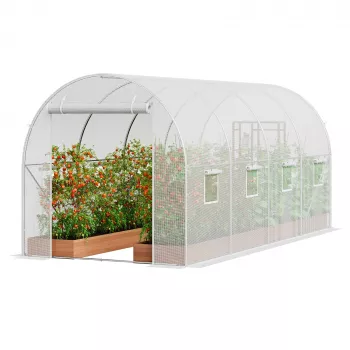
Walk-In Tunnel Greenhouse for Season Extension and Everyday Growing
A walk-in tunnel greenhouse creates a protected, controllable space for seedlings, greens, and warm-season crops while still feeling simple and practical. The tunnel shape helps shed wind and light snow better than flat roofs, and the walk-in height makes daily tasks—watering, pruning, harvesting—more comfortable than low tunnels. Whether you’re aiming for earlier starts in spring or steadier harvests into fall, a tunnel greenhouse can turn unpredictable weather into a more manageable routine.
What a walk-in tunnel greenhouse does well
Walk-in tunnels are popular because they deliver noticeable gains without requiring a full permanent greenhouse build. With a covered, enclosed growing area, you can stay on schedule even when outdoor conditions swing fast.
- Extends the growing season by buffering wind, light frost, and cold night temperatures.
- Improves germination and early growth by holding warmth and humidity around young plants.
- Reduces pest pressure from birds and some insects when doors and seams are kept closed.
- Provides a dedicated space for potting, hardening off seedlings, and staging containers.
- Supports steady production of greens, herbs, and nursery starts with less weather disruption.
For timing your season extension, it helps to know your climate baseline. The USDA Plant Hardiness Zone Map is a useful starting point, especially when comparing spring/fall expectations from year to year.
Choosing the right size and layout
Choosing a tunnel is less about “bigger is always better” and more about matching your space, workflow, and the crops you actually grow. A tunnel that’s comfortable to enter and easy to ventilate gets used more—and produces more.
- Measure the footprint with door swing and walking room in mind; plan at least one clear aisle for buckets, trays, or a small cart.
- Decide between in-ground beds (best for deep-rooted crops) or containers/raised beds (best for soil control and mobility).
- Account for headroom where the tallest plants will sit; tomatoes, cucumbers, and trellised crops need vertical clearance.
- Prioritize access: a wider zipper/door opening reduces snagging trays and makes ventilation easier.
- If adding shelves, keep them narrow enough to preserve airflow and reach to the back without stepping on beds.
Quick planning guide for a walk-in tunnel greenhouse
| Goal | Best layout choice | Notes to avoid common problems |
|---|---|---|
| Seed starting | Shelves + a central aisle | Add a small fan for airflow to prevent damping-off. |
| Greens and herbs | Two long beds with a middle walkway | Vent early on sunny days to prevent bolting and condensation. |
| Tomatoes/cucumbers | Single or double bed with trellis line | Ensure door height and roof curve won’t restrict trellis growth. |
| Containers and overwintering | Open floor + grouped pots | Use pallets or gravel under pots to reduce standing water and mold. |
Frame, cover, and door features that matter
A tunnel greenhouse is only as reliable as its frame and cover system. Small details—like zipper quality and how the cover is tensioned—often decide whether it lasts one season or several.
- Frame strength: look for stable connections and corrosion-resistant tubing or coated metal for outdoor exposure.
- Cover material: thicker polyethylene holds heat better and tends to last longer; clear covers maximize light while slightly diffused covers can reduce hot spots.
- Seams and zippers: reinforced seams and smooth zippers reduce tearing during daily entry.
- Anchoring options: ground stakes, auger anchors, or base rails help prevent wind lift; anchoring is essential even in sheltered yards.
- Ventilation points: roll-up sides or multiple openings are helpful in warm climates; if not available, plan for door-open venting and a small fan.
Placement for sun, drainage, and wind
Where you set up the tunnel often matters more than any accessory. A bright, dry, accessible spot makes temperature swings easier to manage and reduces disease pressure.
Setup basics for a sturdier, longer-lasting tunnel
Temperature, airflow, and humidity control
Tunnels warm quickly—sometimes too quickly. Consistent venting and airflow keep plants growing steadily rather than cycling between stress and recovery. For practical environment basics, home-scale guidance from university extension programs can help, including the University of Minnesota Extension and general greenhouse management resources at the University of Vermont Extension.
Seasonal use ideas
Care and maintenance that prevent mid-season failures
Product picks to support your setup
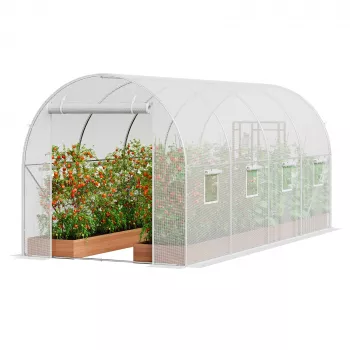
- Walk-In Tunnel Greenhouse — A walk-in option for tending plants, staging trays, and running in-ground beds or containers, depending on your yard and crop plan.
- The Ultimate Business Growth Hack Checklist: Scale Smarter, Not Harder — Helpful for gardeners who also sell seedlings, starts, or bouquets and want a tighter weekly operating rhythm.
- Your Bright Mindset Boost Checklist: 3 Simple Steps to Think Positive Every Day — A small routine-builder for staying consistent with daily greenhouse tasks during busy seasons.
FAQ
How warm does a walk-in tunnel greenhouse stay at night?
It depends on outside temperature, wind, cloud cover, and how much heat the soil (or water containers) can store. Without added heat, many tunnels stay only a few degrees warmer than outside overnight; using an inner row cover and a few water jugs can improve that buffer, and a small heater is an option for colder spells.
Do tunnel greenhouses need a fan?
A fan isn’t mandatory, but it’s one of the easiest ways to cut condensation, reduce fungal problems, and grow sturdier seedlings. Even with good venting, a small circulating fan helps keep air moving through dense trays and leaf canopies.
How do you keep a tunnel greenhouse from blowing away?
Use robust anchoring (stakes or auger anchors), keep the cover evenly tensioned to reduce flapping, and add secure weight or base fastening along the bottom edge. Windbreaks help in exposed sites, and checking anchors after storms prevents small loosening from turning into a failure.













Leave a comment