White Leather Birkenstock Slippers: Fit, Support & Care
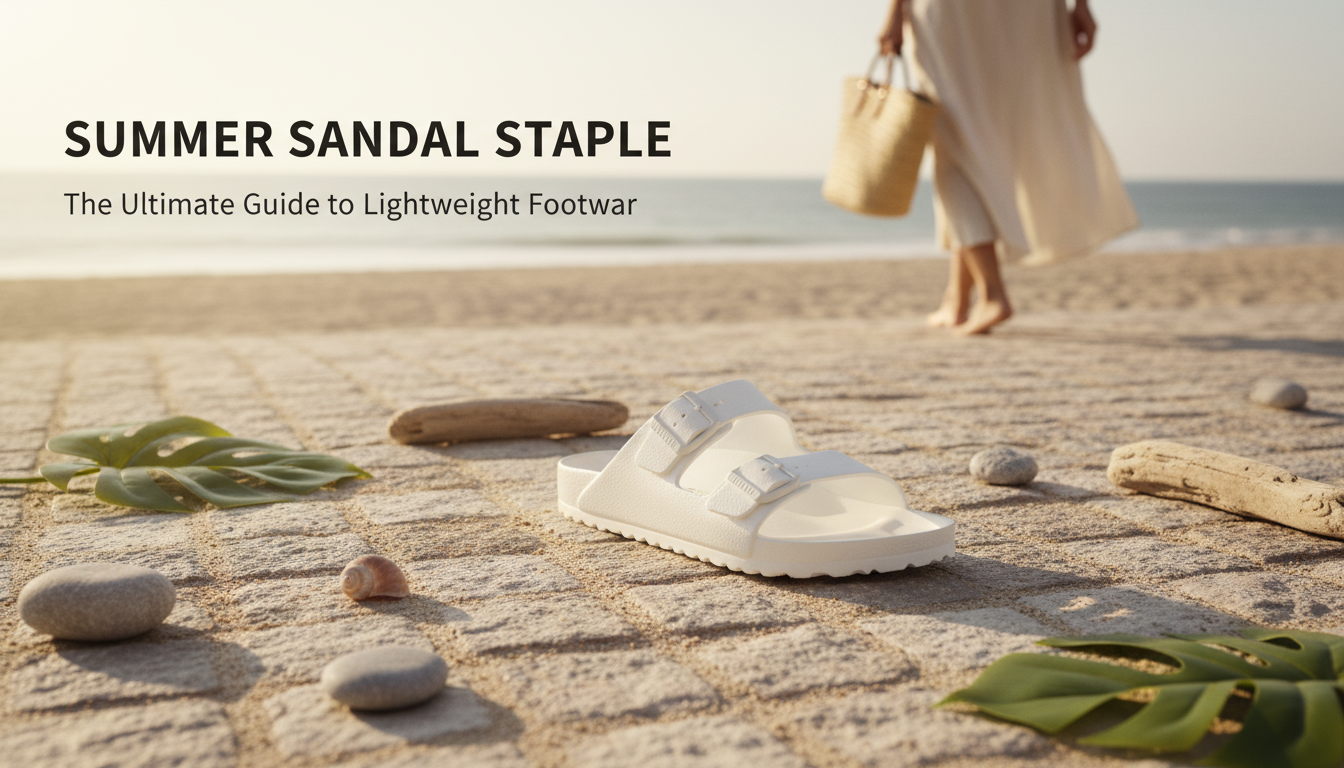
Birkenstock Women’s White Leather Slippers: Everyday Comfort, Clean Style
White leather slippers bring a polished look to casual routines while staying easy to wear. They’re the kind of at-home shoe that can look put-together with loungewear, but still feel practical for quick porch steps, mailbox runs, or a calm work-from-home day. The key is choosing a pair with materials and structure that feel better with time—not just soft for the first hour.
Below is a straightforward guide to what to look for in leather house slippers, how to get the best comfort and support, and how to keep white leather looking fresh with simple, repeatable care habits.
What Makes Leather Slippers Feel Better Over Time
Leather often improves with regular wear because it responds to heat, movement, and the natural shape of your foot. That said, not all leather slippers break in the same way—construction details matter.
- Natural softening: Leather uppers tend to soften and flex as they warm up to regular wear, reducing pressure points at the collar and along the sides.
- Support matters: A supportive footbed can help distribute weight more evenly than flat, cushion-only slippers—especially if you spend time standing at the kitchen counter or desk.
- Breathability for longer wear: Breathability matters for all-day indoor wear; leather can help reduce the “sweaty slipper” feeling when paired with a breathable lining and proper fit.
- Finishing details: Stitching quality and edge finishing influence comfort where the upper meets the foot. Rough seams and stiff edges can irritate quickly in a slip-on style.
For general foot health guidance and how footwear can affect comfort, the American Podiatric Medical Association (APMA) is a helpful reference point for everyday shoe considerations.
Product Spotlight: Birkenstock Women’s White Leather Slippers
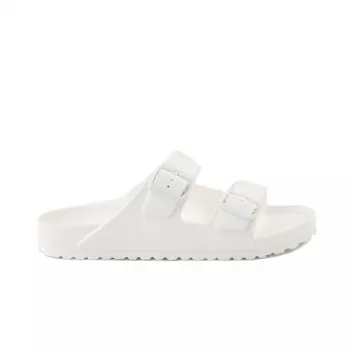
If you like the crisp look of white footwear but want something that still feels at-home comfortable, Birkenstock Women’s White Leather Slippers offer a clean, minimal style that doesn’t read as overly “indoor only.” Leather is also easier to wipe down than fuzzy fabrics that can trap dust and lint.
- Easy styling: A clean white leather upper pairs easily with loungewear, denim, or simple errands without looking out of place.
- Quick cleanup: Leather is typically easier to wipe than plush textiles, which can hold onto lint and pet hair.
- Fit planning: For the best fit, confirm sizing and consider whether socks will be worn regularly at home.
- Useful support: A supportive base can be especially helpful for standing at counters, working from home, or light around-the-house walking.
| Item | Details |
|---|---|
| Name | Birkenstock Women’s White Leather Slippers |
| Price | $42.01 USD |
| Availability | In stock |
| Product page | View product details |
Choosing the Right Fit and Feel
White leather slippers look best when they fit cleanly—no heel pop, no stretched upper, no toe crowding. Use these checks to dial in comfort from day one.
- Toe room: Toes should rest naturally without pressing the front; slight extra space is typically more comfortable for indoor wear.
- Width and instep: Leather can relax slightly, but a too-tight instep can stay uncomfortable—prioritize a secure-but-not-snug feel.
- Footbed feel: Supportive shapes can feel “different” at first; a short break-in period is common for structured sandals and slippers.
- Use-case: For mostly carpet and hardwood, consider a sole that provides grip without feeling heavy or clunky.
| Fit area | What to look for | Common fix |
|---|---|---|
| Heel | Heel sits centered, minimal slipping | Adjust sizing or choose a more secure upper |
| Toes | No toe crowding, no front pressure | Size up if toes touch the front |
| Instep | No pinching across the top of foot | Avoid overly tight fit; leather relaxes only slightly |
| Arch/footbed | Support feels present but not painful | Increase wear time gradually during break-in |
How to Keep White Leather Looking Bright
White leather can stay fresh-looking with light, consistent care. The goal is to lift surface grime early and avoid products that strip or darken the finish.
For practical, material-first care principles, the Leather Working Group offers widely referenced guidance around responsible leather practices and care basics.
Comfort and Support Tips for Daily Wear
More In-Stock Picks to Support Your At-Home Routine
- From Open Rooms to Intentional Zones Bundle – 10-in-1 Guide for Multi-Functional Living Spaces
- Your Bright Mindset Boost Checklist: 3 Simple Steps to Think Positive Every Day
- The Ultimate Business Growth Hack Checklist: Scale Smarter, Not Harder | Digital Download for Entrepreneurs & Small Business Owners | Business Growth Hacks
FAQ
How do leather slippers stretch over time?
Leather typically softens and relaxes slightly with heat and repeated wear, which can reduce tight spots. Major size changes are unlikely, so it’s best to choose a comfortable fit from the start and break them in gradually.
How can white leather slippers be cleaned without damaging the finish?
Wipe them with a soft, slightly damp cloth after wear, then use a leather-safe cleaner for spots as needed. Avoid soaking, harsh chemicals, or direct heat while drying, and condition lightly to keep the leather from drying out.
Are supportive slippers better than soft, cushioned slippers for standing at home?
Supportive slippers with a structured footbed can reduce fatigue during longer standing sessions by distributing pressure more evenly. Plush, cushion-only slippers can feel cozy for short wear, but may not provide the same stability for extended time on your feet.












Leave a comment