Marble Effect Tile Types: Porcelain, Ceramic & Finishes
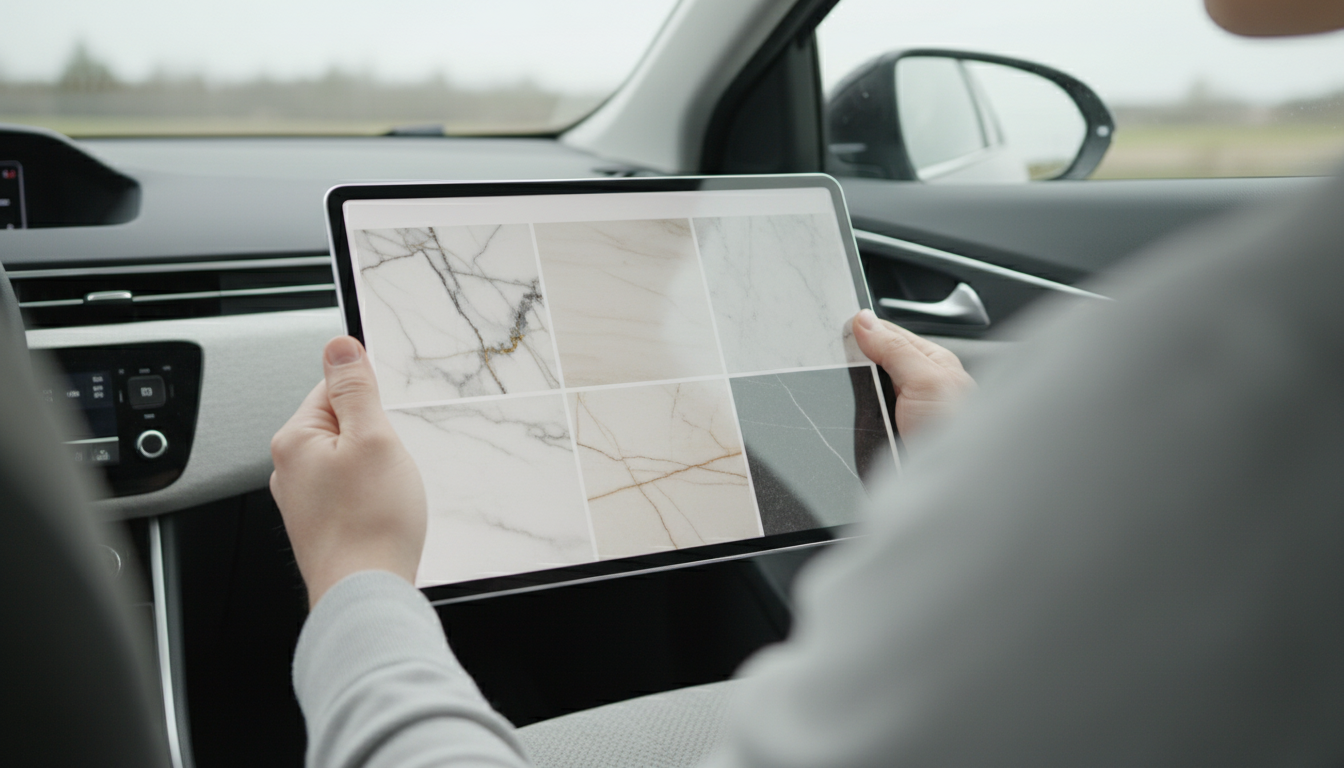
What are the different types of marble effect tiles?
Marble effect tiles recreate the veining and depth of natural stone while offering easier care and more consistent color from tile to tile. The main “types” usually refer to the material, finish, shape, and pattern style—each of which changes how the surface looks and performs in real spaces.
Porcelain marble effect tiles
Porcelain is the most common choice for marble visuals because it’s dense, hard-wearing, and well-suited to floors, walls, kitchens, and high-traffic areas. Many porcelain options use inkjet printing for realistic veining, and some add subtle surface texture to mimic honed stone. Large-format porcelain slabs or panel-style tiles are also popular for a seamless, modern look.
Ceramic marble effect tiles
Ceramic versions typically cost less and are often used on walls, backsplashes, and lighter-duty areas. They can still look very convincing, but they’re generally not as tough as porcelain for heavy floor use.
Polished vs. honed (matte) finishes
Polished marble effect tiles deliver a glossy, reflective surface that emphasizes veining and brightens a room. Honed or matte finishes look softer and more contemporary, and they tend to hide smudges and water spots better—helpful for busy kitchens and dining areas.
Classic white marble looks (Carrara/Calacatta-inspired)
These styles feature white or off-white backgrounds with gray or gold veining. They’re widely used to create a clean, upscale feel and pair well with modern furniture finishes, including marble-look dining surfaces.
Dark and dramatic marble looks
Black, charcoal, or deep green marble effects add contrast and can feel more formal. They’re often used for statement walls, powder rooms, or to ground open-plan spaces with a richer palette.
Mosaic and patterned marble effects
Smaller formats—hex, herringbone, basketweave, and mixed mosaics—bring detail and texture. These work especially well for shower floors, backsplashes, and accent zones where you want extra visual interest.
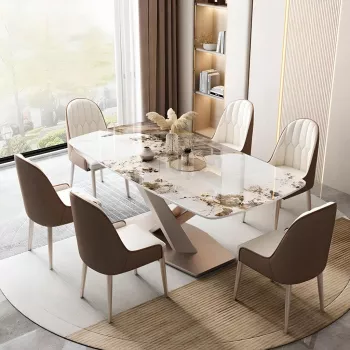
For ideas on coordinating marble visuals with modern dining spaces, see this guide to a modern Chinese marble effect oval dining table for 8.
FAQ
Are marble effect tiles slippery when wet?
Polished finishes can be more slippery, especially in bathrooms or near entryways. For wet areas, choose a matte/honed finish or a tile rated for slip resistance.








Leave a comment