Fruit-First Glow Routine for Healthier Skin & Hair
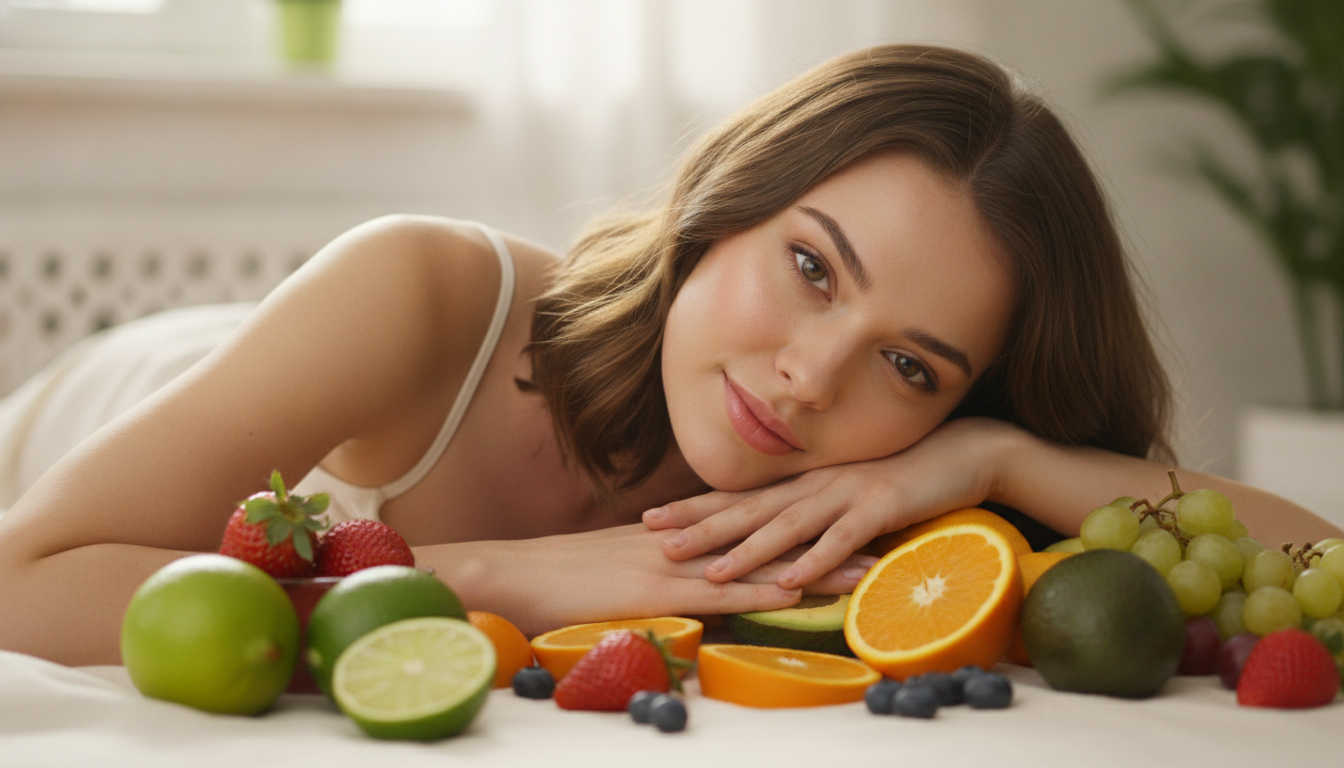
Glow Inside Out: A Fruit-First Routine for Healthier Skin and Hair
Skin and hair often reflect daily nutrition choices, hydration, sleep, and stress. Fruits can support a brighter-looking complexion and stronger-feeling strands by providing vitamin C, vitamin A precursors, antioxidants, water, and fiber—nutrients involved in collagen support, barrier function, and scalp comfort. Below is a practical fruit lineup, a simple weekly structure, and a few habit pairings that help the results feel more noticeable over time.
Why fruits can support skin and hair
Fruits don’t “fix” skin or hair overnight, but they can meaningfully support the inputs your body uses to maintain healthy-looking skin and resilient-feeling hair.
- Vitamin C supports normal collagen formation, contributing to skin structure and bounce.
- Carotenoids (like beta-carotene) can be converted to vitamin A, linked to normal skin cell turnover and scalp health.
- Polyphenols and antioxidants help the body manage oxidative stress from UV exposure, pollution, and everyday wear-and-tear. For a deeper overview, see Harvard T.H. Chan School of Public Health — Antioxidants.
- High-water fruits can support hydration goals, which may show up as softer-looking skin and less brittle-feeling hair.
- Fiber supports digestion and gut health; many people notice their skin looks calmer when digestion is more regular.
The fruit lineup: what to buy for visible “glow” habits
Think in categories so grocery choices stay simple: a vitamin C fruit, a berry, a hydration fruit, and a healthy-fat fruit. Rotate a “wild card” seasonal fruit for variety.
- Citrus (oranges, grapefruit, lemons): vitamin C-rich; easy for breakfast, snacks, and infused water.
- Berries (blueberries, strawberries, raspberries): polyphenols plus vitamin C; convenient frozen year-round.
- Kiwi: extremely high in vitamin C; easy with yogurt or chia pudding.
- Mango and papaya: carotenoids; helpful for an even-looking complexion as part of a balanced diet.
- Watermelon and cantaloupe: hydration-focused; useful when dryness is a concern.
- Avocado and olives (yes, fruits): healthy fats that support barrier comfort and scalp moisture balance.
- Pomegranate and grapes: polyphenols; easy “add-ons” for bowls and salads.
Fruit quick guide for skin and hair support
| Fruit | Standout nutrients | Skin/Hair focus | Easy ways to use |
|---|---|---|---|
| Oranges / citrus | Vitamin C, flavonoids | Collagen support; brighter-looking skin | Snack wedges, smoothies, citrus vinaigrette |
| Berries | Polyphenols, vitamin C | Antioxidant support; calm-looking skin | Frozen smoothie packs, oatmeal topping |
| Kiwi | Vitamin C, fiber | Glow support; digestion-friendly | Slice into yogurt, blend into green smoothies |
| Mango / papaya | Beta-carotene, vitamin C | Even tone support; scalp nourishment | Salsa, smoothie cubes, fruit bowls |
| Watermelon | Water, lycopene | Hydration support; sun-exposure season staple | Chilled cubes, mint salad, blended “agua fresca” |
| Avocado | Monounsaturated fats, vitamin E | Barrier comfort; scalp moisture balance | Toast, salads, blended chocolate “pudding” |
For nutrient details and comparisons by serving size, USDA FoodData Central is a helpful reference.
How to build a simple “fruit fix” week
The goal is consistency without overthinking. A repeatable structure prevents the “buy a bunch of fruit, forget it in the drawer” problem.
- Aim for 2–3 fruit servings per day, spread out. To keep energy steadier, pair fruit with protein or fat when possible.
- Use a repeatable daily pattern: one vitamin C fruit + one berry + one hydration or healthy-fat fruit most days.
- Choose mostly whole fruits over juices for better fiber and a more satisfying, balanced feel.
- Keep it practical: buy 2 fresh fruits + 2 frozen fruits weekly to reduce waste while keeping options available.
Pairing fruit with habits that make results more noticeable
Fruit supports the foundation, but your routine decides how “visible” the payoff feels.
- Protein at meals: supports hair structure and recovery. Pair fruit with Greek yogurt, cottage cheese, eggs, or a protein-forward smoothie base.
- Healthy fats: support satisfaction and can help skin feel more comfortable. Add nuts, seeds, nut butter, or avocado alongside fruit.
- Hydration rhythm: include one high-water fruit daily and set a baseline (for example, one glass of water with each meal).
- Sleep and stress: poor sleep and higher stress often show up on skin and scalp. Keep changes consistent for 2–4 weeks before judging.
- Sun protection: diet helps, but UV protection remains essential for an even, healthy-looking glow. For general guidance, visit American Academy of Dermatology Association.
Common concerns and fruit-based adjustments
Make it easy: checklist-style shopping and tracking
Digital guide and checklist for a consistent glow routine
- Glow Inside Out: The Skin & Hair Fruit Fix (eBook + fruit checklist) — a fruit-first framework, weekly plan, and printable-style checklist.
- Your Bright Mindset Boost Checklist: 3 Simple Steps to Think Positive Every Day — a simple support tool for stress consistency (often reflected in skin and scalp over time).
FAQ
How long does it take to see changes in skin and hair from eating more fruit?
With consistent fruit intake plus steady hydration, sleep, and protein, skin changes are often noticed in about 2–4 weeks. Hair changes typically take longer—around 8–12 weeks—because hair growth and strength show up more slowly.
Is fruit sugar bad for skin?
Whole fruit comes packaged with fiber and water, which helps moderate how quickly sugar is absorbed. Keeping portions reasonable, prioritizing whole fruits over juice, and pairing fruit with protein or healthy fat tends to work well for most routines.
Which fruits are best for a natural glow without complicated routines?
A simple starter set is kiwi (or citrus) + berries + watermelon + avocado. They’re easy to use in smoothies, yogurt bowls, or quick snacks without needing a complicated meal plan.
















Leave a comment