Marble Effect Tiles: Pros, Cons, and Best Uses
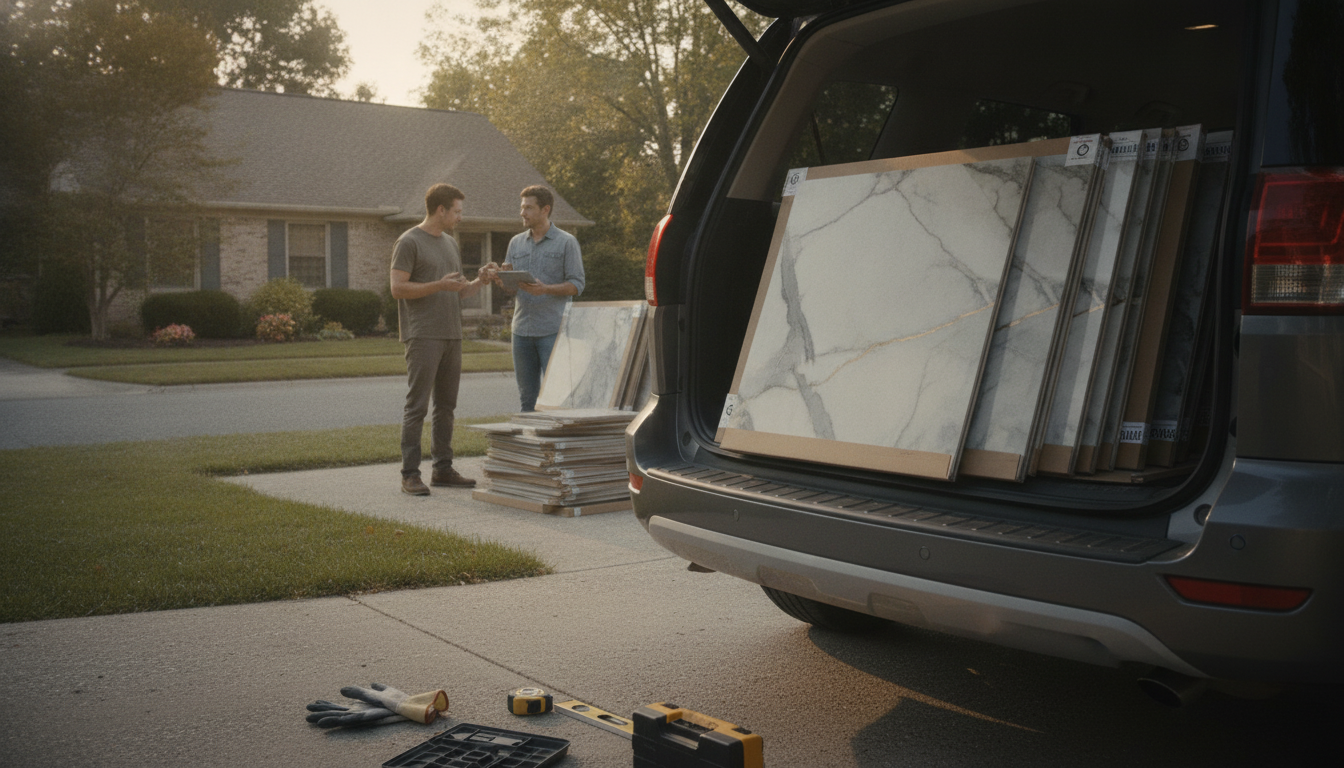
What are the pros and cons of marble effect tiles?
Marble effect tiles deliver the elegant look of natural stone with a more predictable, user-friendly performance profile. They’re commonly made from porcelain or ceramic, using high-definition printing and glazing to mimic veining and depth. That makes them a popular choice for kitchens, bathrooms, entryways, and even feature walls where a refined finish matters.
Pros of marble effect tiles
More durable for everyday life: Porcelain versions are typically harder and more chip- and scratch-resistant than many natural marbles, making them practical for high-traffic floors.
Lower maintenance: Unlike real marble, marble effect tiles don’t need periodic sealing. They’re generally less prone to etching from acids (like lemon or vinegar) and are easier to keep looking consistent.
Better moisture performance: Many marble effect tiles handle wet areas well, which is why they’re frequently used in showers and bathrooms (with proper waterproofing and installation).
More consistent appearance: You can choose a controlled pattern and color tone without the unpredictability of quarry variation—helpful when matching large areas or coordinating with furnishings.
Often more budget-friendly: Material and long-term care costs are usually lower than natural marble, especially for larger spaces.
Cons of marble effect tiles
Grout is still a factor: Even if the tile itself is easy to clean, grout lines can stain if not sealed or maintained, particularly on floors and shower walls.
Can feel colder underfoot: Like most tile, it may feel cool unless paired with radiant heating or area rugs.
Visual “repeat” may show: Lower-end tiles can reveal repeating print patterns. Choosing larger formats, mixed-face boxes, or premium lines reduces this issue.
Slip risk with polished finishes: Glossy surfaces can be slick when wet; a matte or textured finish is often safer for bathrooms and entries.
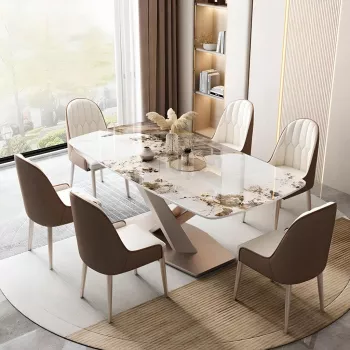
For more inspiration on pairing marble looks with modern dining spaces, see this guide to a modern Chinese marble effect oval dining table for 8.
FAQ
Do marble effect tiles look cheap?
Higher-quality porcelain lines can look remarkably close to real stone, especially with varied faces and realistic veining. Cheaper options may show repeating patterns and flatter depth, which can read more “printed” up close.









Leave a comment